Intergenerational Living in Raleigh: Myths, Realities, and Home Safety
What if your home didn't have to look like a clinical care facility just because your parents moved in? Many Raleigh families feel the weight of the "sandwich generation" squeeze, worrying that intergenerational living means sacrificing their home's aesthetic or their own privacy. It's a valid concern as this lifestyle becomes more common. According to the Pew Research Center, the number of people living in multigenerational households has quadrupled since 1971, reaching nearly 60 million Americans. You want your house to remain a sanctuary, not a hospital, yet you need the peace of mind that comes with whole-family safety.
We believe your home should be beautiful, not institutional, regardless of who lives there. This article will show you how intergenerational support can future-proof your property while preserving the dignity of seniors and the independence of adult children. We'll break down the realities of Raleigh's recent accessory dwelling unit (ADU) zoning changes and provide a roadmap for modifications that feel like high-end upgrades rather than medical necessities.
Key Takeaways
- Discover why Raleigh families are embracing collaborative living and how to define a support system that works for your unique household needs.
- Uncover the truth behind common misconceptions to ensure your home modifications remain beautiful and private rather than feeling clinical or institutional.
- Compare the long-term financial and emotional benefits of aging in place against local assisted living options to maximize your family's peace of mind.
- Learn how to future-proof your Research Triangle residence for intergenerational harmony by identifying hidden hazards and optimizing home traffic flow.
- Gain a clear roadmap for professional project management that bridges the gap between today’s safety needs and tomorrow’s independence.
What is Intergenerational Living in the Research Triangle?
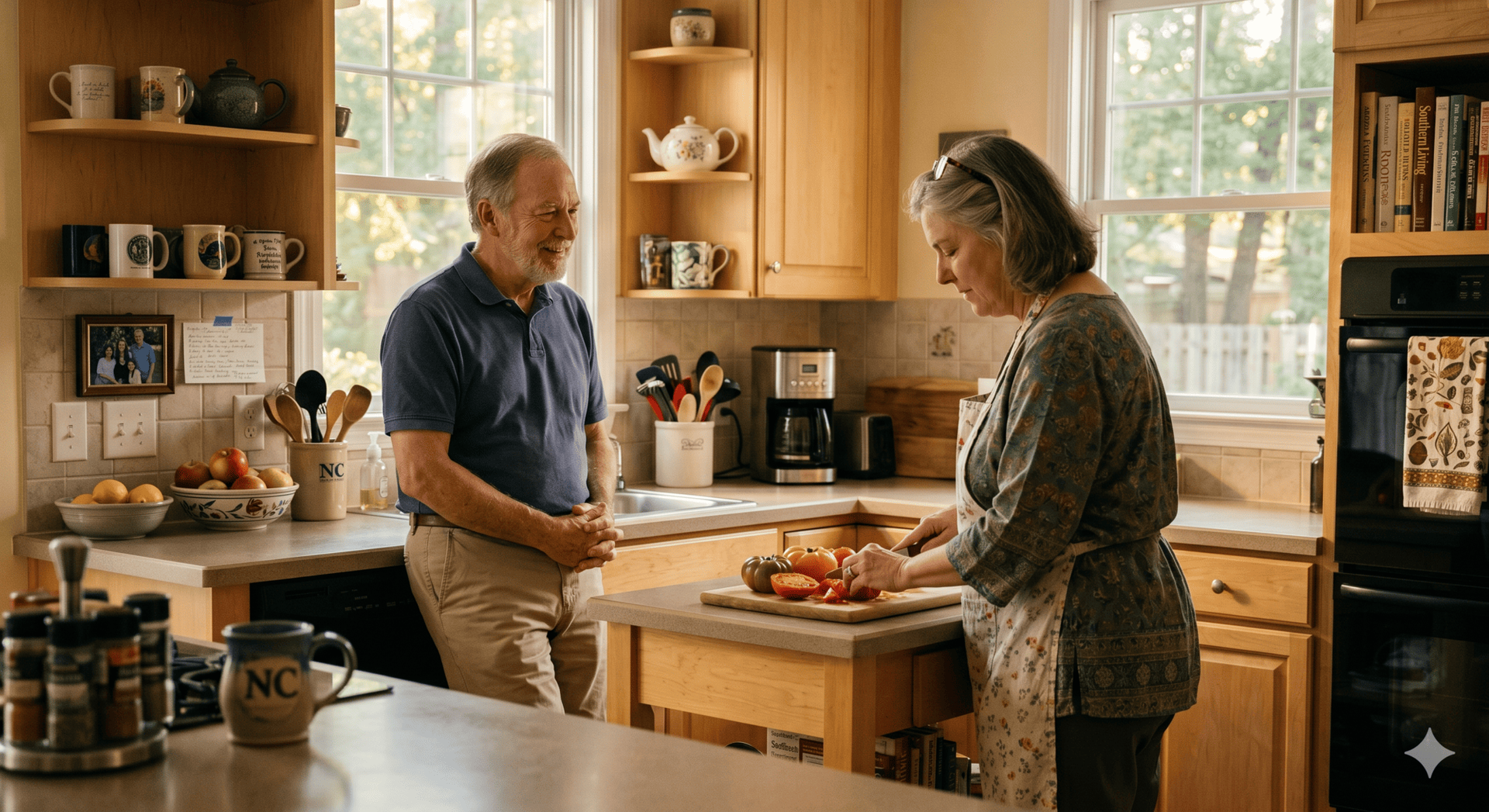
Raleigh families are redefining the concept of home by moving away from isolated living toward a collaborative support system. This shift isn't just about sharing square footage; it's a deliberate choice to foster mutual support between seniors and younger family members. Understanding What is Intergenerational Living helps clarify that these arrangements are built on intentional interaction and shared responsibility. In 2026, this model has become a cornerstone of Raleigh's housing landscape, providing a holistic way to manage the challenges of aging while keeping families connected.
There's a significant difference between simply "living together" and active intergenerational support. While the former might involve a basement apartment used for convenience, the latter focuses on aging in place through integrated daily life. This includes shared meals, coordinated safety checks, and emotional engagement that benefits every generation involved. Intergenerational living is a proactive strategy for family safety.
As part of this strategy, planning the physical relocation is a crucial first step. For those moving a senior from the Florida area to North Carolina to begin this new chapter, you can find out more about how All American Moving And Storage manages these delicate transitions.
The Rise of Multigenerational Homes in Raleigh
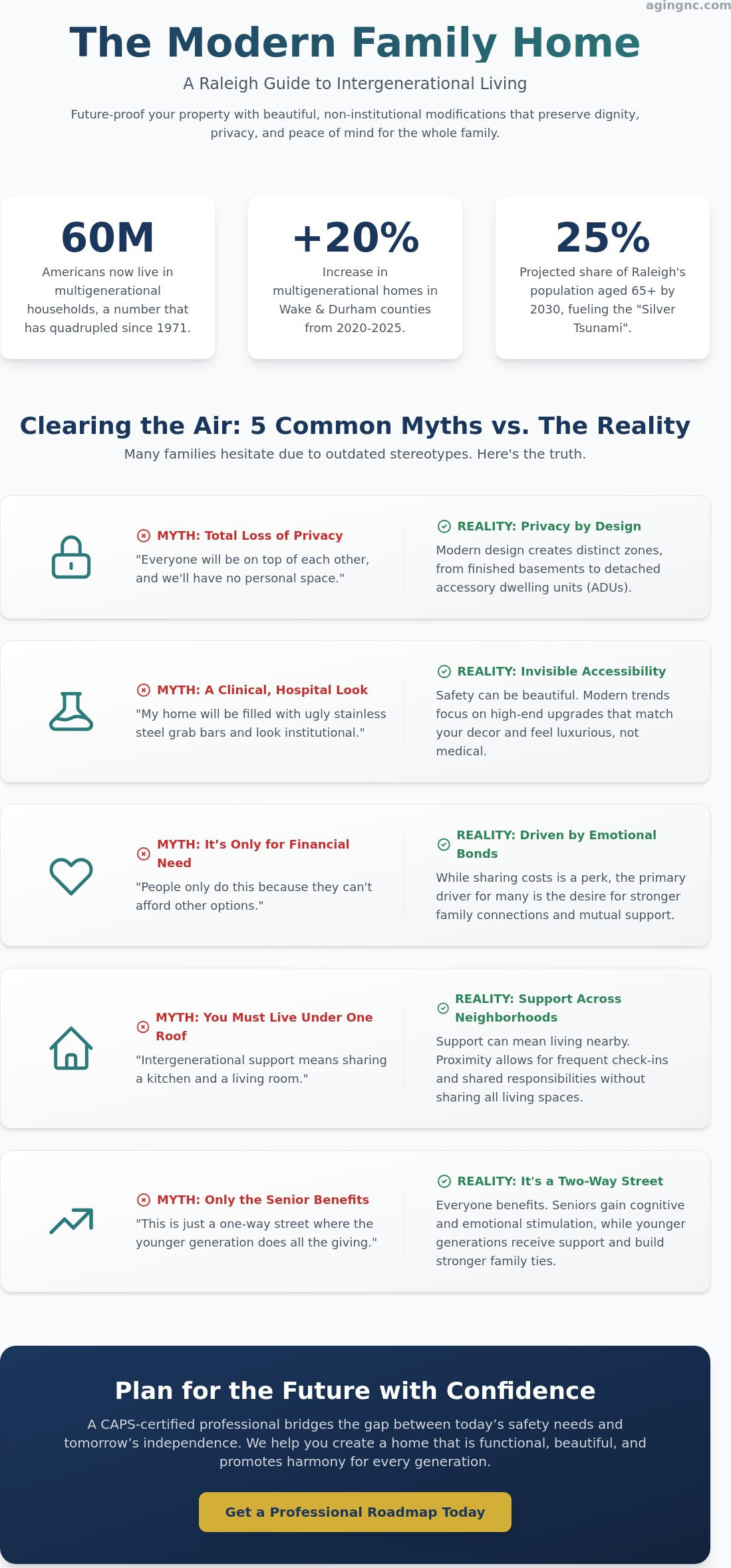
The Research Triangle is experiencing a transformative shift in residential patterns. In Wake and Durham counties, the number of multigenerational households increased by 20% between 2020 and 2025. Rising property costs and the desire for proximity are driving this trend, but the local "Silver Tsunami" is the primary catalyst. With a projected 25% of the Raleigh population reaching age 65 or older by 2030, families are looking for ways to future-proof their living situations now. We see more homeowners in neighborhoods like North Hills and Cary modifying their existing spaces to create seamless, beautiful environments that accommodate both toddlers and grandparents without feeling institutional.
Intergenerational vs. Traditional Caregiving
Choosing an intergenerational model offers emotional and cognitive benefits that traditional, isolated senior care often lacks. When seniors engage with younger generations daily, they experience lower rates of depression and improved cognitive health. It turns caregiving from a clinical task into a natural part of family life. Our approach focuses on making these transitions easier for everyone involved:
- Whole-family safety: We train every member of the household on how to use new accessibility features.
- Cognitive stimulation: Daily interactions provide natural mental exercises that help maintain memory and focus.
- Professional guidance: CAPS-certified professionals ensure that home modifications are both functional and aesthetically pleasing.
By bringing in a CAPS-certified expert, families can transform their homes into safe havens that promote independence. Beyond the physical environment, finding the right support services is key—you might check out Mighty Mentors WA to learn how personalized mentoring and community access can further enrich daily life. We believe that modifications should be beautiful, not institutional, ensuring that your home remains a place of joy and dignity. This proactive planning provides the peace of mind that every Raleigh family deserves as they navigate the future together.
Myth-Busting: 5 Misconceptions About Intergenerational Support
Intergenerational living often gets a bad rap because of outdated stereotypes. Many Raleigh families hesitate to explore these arrangements because they fear a loss of autonomy or a home that feels like a hospital. Let's clear up these common misconceptions to help you make an informed decision for your family.
- Myth 1: Total loss of privacy. Modern design creates distinct zones. Whether it's a finished basement in a Wake Forest ranch or a detached accessory dwelling unit, privacy is a priority, not an afterthought.
- Myth 2: Clinical aesthetics. Safety doesn't mean stainless steel grab bars and cold tiles. Current trends focus on "invisible" accessibility that matches your existing decor.
- Myth 3: It's only for financial necessity. While sharing costs is a perk, many choose this for the emotional bond. According to Pew Research Center, 18% of the U.S. population lived in multigenerational households in 2021, and the primary driver for many was social connection.
- Myth 4: You must live under the same roof. Intergenerational support happens across neighborhoods. Proximity allows for frequent check-ins without sharing a kitchen.
- Myth 5: Only the senior benefits. This is a two-way street. The Financial and Emotional ROI of Intergenerational Support shows that younger generations gain improved social skills and emotional resilience through these bonds.
Beautiful, Not Institutional: The Design Reality
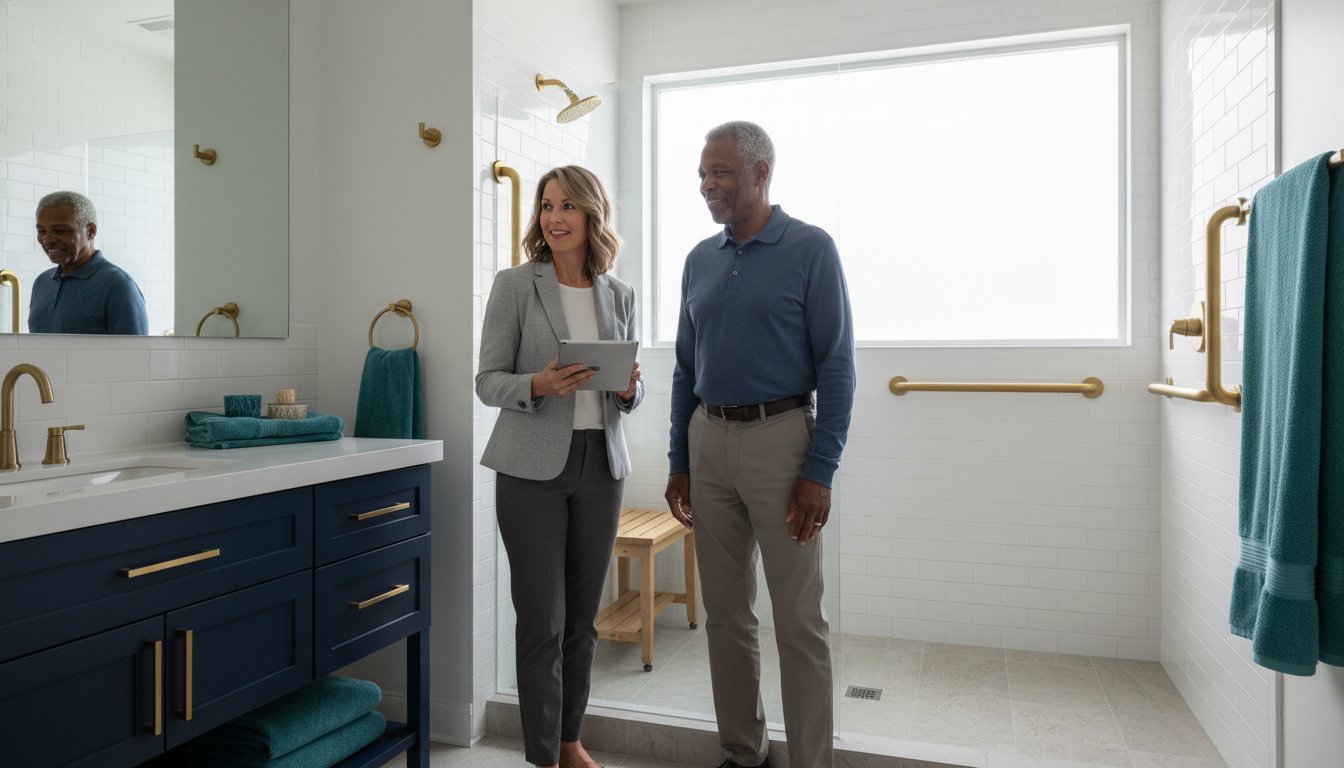
We believe your home should look like a home; not a medical facility. In Cary and Wake Forest, we implement modifications that blend seamlessly with high-end finishes. Our Fix-It Technician approach ensures that every update, from curbless showers to rocker-style light switches, feels like a lifestyle upgrade. These universal design features future-proof the property for everyone. A zero-entry doorway is just as helpful for a toddler in a stroller as it is for a senior using a walker.
The Independence Paradox
Asking for help isn't a sign of failure; it's a strategy for longevity. We call this the independence paradox. By conducting a professional safety evaluation, we actually give seniors more freedom to move without fear. Our whole-family training empowers the adult child to provide support without feeling overwhelmed or like a "nanny." This proactive approach ensures North Carolina seniors stay in control of their daily lives. If you're ready to see how your space can adapt, consider a professional home assessment to start the journey.
The Financial and Emotional ROI of Intergenerational Support
Choosing an intergenerational living arrangement is a strategic investment that pays dividends in both capital and compassion. Families in the Triangle are increasingly moving away from reactive crisis management. Instead, they're embracing proactive home modifications that keep families together. This shift transforms the home from a simple shelter into a high-functioning asset that supports every generation's unique needs.
Cost-Benefit Analysis for NC Families
The financial math of aging in place is compelling when compared to local facility costs. In Raleigh, the median cost for assisted living currently hovers around $5,400 per month, which totals more than $64,800 annually. Professional home assessments and CAPS-certified modifications represent a fraction of this yearly expense. By investing in a one-time safety overhaul, families avoid the recurring "facility tax" while retaining the equity in their own property.
Strategic maintenance also helps families avoid the deterioration tax. This is the hidden cost of deferred home repairs that often occurs when seniors live alone in homes they can no longer maintain. When multiple generations share a property, routine upkeep happens naturally, preserving the home's market value for decades. Raleigh's 2026 zoning updates are expected to further streamline the permitting process for Accessory Dwelling Units (ADUs). These "backyard cottages" provide a separate but connected living space, often qualifying for specific property tax considerations if they meet local density requirements for "missing middle" housing. For business owners and high-income families, coordinating these property changes with a broader wealth strategy is key, and Neil Jesani Advisors, Inc. provides the advanced tax planning necessary to optimize such financial transitions.
Building Emotional Resilience
The emotional returns of shared living are just as measurable as the financial ones. For parents living in Holly Springs or Fuquay-Varina, the "Peace of Mind" factor is the primary driver. Knowing a parent is safe in a "beautiful, not institutional" suite just down the hall eliminates the late-night anxiety of a distant emergency. A systematic review on intergenerational programs confirms that these interactions significantly reduce social isolation for seniors and improve the emotional intelligence of children.
- Reduced Caregiver Burnout: Shared responsibility means one person doesn't carry the entire physical and emotional load.
- Legacy Preservation: Daily interactions allow for the natural transfer of family history, values, and traditions.
- Holistic Safety: Whole-family safety training ensures everyone, from toddlers to grandparents, knows how to navigate the home's features.
Intergenerational living succeeds when the environment is designed to be future-proof. A home that adapts to every life stage ensures that no one is forced to leave the place they love simply because their physical needs have changed. By integrating smart home technology and seamless accessibility now, you're not just fixing a house; you're securing your family's future independence.
Practical Steps: Preparing Your Raleigh Home for Multiple Generations
Preparing a home for an intergenerational household requires moving beyond simple repairs. It involves a holistic transformation that ensures the environment is supportive for every age group. By focusing on "future-proof" modifications, you create a space that is beautiful, not institutional, preserving the dignity of seniors while accommodating the energy of younger family members. This proactive approach turns a house into a long-term sanctuary.
The Safety Assessment: Your Raleigh Roadmap
A professional home safety assessment is the foundation of any successful renovation. A CAPS-certified evaluator understands the specific architectural nuances of Research Triangle homes, from 1970s split-levels in North Hills to sprawling ranch homes in West Raleigh. They look for hidden risks that standard contractors might overlook. In typical North Carolina residences, the three most common trip hazards include uneven transitions between original hardwood and newer additions, worn carpet on stairs, and inadequate lighting in transition zones like foyers.
- Flow Analysis: Evaluators check if hallways meet the 36-inch width standard for mobility aids.
- Strategic Planning: Identifying needs early prevents "crisis-mode" renovations. Industry data suggests that emergency modifications during a medical transition can cost 25% more than planned upgrades.
- Universal Design: We implement features like high-contrast task lighting and non-slip surfaces that benefit everyone from toddlers to grandparents.
Zoning and ADUs in Wake County
Raleigh has become a leader in supporting intergenerational living through updated zoning laws. In July 2020, the Raleigh City Council approved changes to make Accessory Dwelling Units (ADUs), often called "Granny Flats," easier to build. These units provide a perfect balance of proximity and privacy. When planning an ADU or a significant suite addition, working with a project manager is vital to ensure all work meets the North Carolina State Building Code and local Wake County ordinances.
Beyond the physical structure, a modern Raleigh home should integrate "future-ready" infrastructure. Smart home safety sensors can monitor for falls or water leaks without being intrusive. These tools offer peace of mind for adult children while allowing seniors to maintain their independence. To ensure these features are effective, schedule whole-family training sessions. When everyone, including the grandkids, knows how to operate voice-activated lighting or smart locks, the entire household functions more safely.
Ready to transform your space into a safe, multi-generational haven? Schedule a professional home safety assessment with our expert team today to start your journey toward a future-proof home.
Strategic Planning: How Aging in Place NC Bridges the Gap
Most families wait for a trip to the emergency room before they consider home modifications. We change that narrative by moving families from a state of reacting to falls to a mindset of proactive environmental safety. At Aging in Place North Carolina, we believe intergenerational living succeeds when the home environment supports every resident equally. This requires a strategic approach that blends professional project management with deep empathy for the homeowner's lifestyle.
Our work in Cary and Greensboro focuses on the "Whole-Family" dynamic. We handle the technical complexities of accessibility so you don't have to manage multiple contractors who might not understand the nuances of aging. By future-proofing the home now, we ensure that the space remains a sanctuary rather than a source of stress. We prioritize modifications that are beautiful, not institutional, maintaining the aesthetic integrity of your Raleigh home while significantly reducing risks.
Our Professional Safety Evaluations
A comprehensive home safety assessment in Raleigh is the foundation of a successful transition. Our CAPS-certified experts don't just look for obvious trip hazards; we analyze lighting levels, floor transitions, and even the "reach range" of daily essentials. We provide a detailed roadmap of actionable recommendations tailored to your specific architecture and needs. These updates are designed to be seamless additions to your décor. You can learn more about our Safety Assessments to see how we identify risks before they become accidents.
- Detailed analysis of entryways, bathrooms, and kitchen workflows.
- Recommendations for smart home integrations that enhance security.
- Focus on high-quality craftsmanship that preserves home resale value.
Empowering the Whole Family
While physical modifications are vital, "Whole-Family Training" is often the missing piece in caregiving plans. We educate adult children and caregivers on how to maintain the safest possible environment. This includes training on new equipment and identifying behavioral changes that might require further adjustments. We want everyone under your roof to feel confident and capable.
This holistic approach to training also applies to the family pet; to help your dog adjust to new household dynamics and safety features, check out I Wuff You Dog Training for personalized behavior consulting.
To ensure long-term success, our "Fix-It Technician" service provides ongoing support for the small maintenance tasks that often fall through the cracks. Whether it is tightening a handrail or checking battery backups for safety lighting, we provide the peace of mind that comes with professional oversight. Join the families in the Triangle who are future-proofing their homes today. We are here to help you live the life you want in the home you love.
Future-Proof Your Raleigh Home for Every Generation
Embracing an intergenerational lifestyle in Raleigh means more than just sharing a roof; it's about creating a sustainable environment where every family member thrives. While 2023 data from the Pew Research Center shows that 18% of the U.S. population lives in multigenerational homes, the success of these arrangements depends on proactive planning. You can move past the myths of loss of privacy by focusing on the tangible emotional ROI of staying connected. Preparing your space doesn't mean sacrificing your home's character for medical-grade fixtures. With 76% of adults over age 50 wanting to stay in their current residence according to AARP's 2021 survey, safety is a vital priority. Our team at Aging in Place North Carolina brings CAPS-certified expertise to every project, ensuring your modifications are beautiful, not institutional. As a family-owned and operated business right here in NC, we specialize in future-proof solutions that blend seamless accessibility with high-quality craftsmanship. Don't wait for a crisis to make necessary changes. You deserve a home that supports your independence and preserves your joy for years to come.
Frequently Asked Questions
What does intergenerational living actually mean for a family in Raleigh?
Intergenerational living means that multiple generations, such as grandparents, parents, and children, share a single home to provide mutual support and connection. In Raleigh, this often involves families "doubling up" to manage rising housing costs or to ensure childcare is readily available. According to Pew Research Center data from 2022, 18% of the U.S. population lives in multigenerational households. This arrangement fosters deep emotional bonds and allows for shared household responsibilities, ensuring every family member feels supported and safe.
Is it expensive to modify a home for intergenerational support?
Costs vary significantly based on your specific project, ranging from simple grab bar installations to full suite additions. Many homeowners find that proactive modifications are a savvy investment compared to the monthly cost of assisted living, which averaged $5,389 per month in North Carolina according to Genworth's 2023 Cost of Care Survey. By future-proofng your space now, you avoid the high costs of emergency renovations or premature relocation. We focus on creating high-quality, lasting changes that add value to your property.
Can we add a granny flat to our property in Wake County?
Yes, Raleigh's updated 2020 Unified Development Ordinance (UDO) allows for Accessory Dwelling Units (ADUs), commonly known as granny flats, on most residential lots. These units provide a private, independent space for aging parents while keeping them close to the family. You must follow specific setback and size requirements set by the City of Raleigh to ensure compliance. This intergenerational housing solution offers a perfect balance of proximity and privacy for everyone involved.
What is the role of a Certified Aging-in-Place Specialist (CAPS)?
A CAPS professional is trained by the National Association of Home Builders to identify and implement home modifications that increase safety and accessibility. They conduct holistic assessments to find hidden hazards and recommend "beautiful, not institutional" solutions that fit your lifestyle. Their expertise ensures that your home remains a sanctuary where you can age with dignity. They bridge the gap between healthcare needs and construction realities, providing peace of mind for the whole family.
How do I talk to my aging parents about home safety modifications?
Start the conversation by focusing on independence and the desire to keep them in the home they love. Frame the discussion around "future-proofing" the house rather than reacting to a decline in their health. Using a collaborative approach helps them feel empowered rather than pressured. Research shows that 90% of adults over age 65 want to stay in their current homes as they age, according to AARP's 2021 Home and Community Preferences survey. This shared goal makes the conversation much easier.
Does intergenerational living work for families with young children?
It works exceptionally well by creating a built-in support system for childcare and household management. Children benefit from the wisdom and presence of grandparents; meanwhile, seniors often experience improved cognitive health from regular interaction with younger generations. This intergenerational dynamic creates a vibrant, active household. Safety modifications like non-slip flooring and improved lighting benefit everyone, from toddlers learning to walk to seniors maintaining their mobility.
What are the most common home safety hazards in older Raleigh homes?
High thresholds, narrow doorways, and poor bathroom lighting are frequent risks in Raleigh's historic and mid-century homes. The CDC reports that one out of four older adults falls each year, making fall prevention a top priority for any homeowner. Inadequate handrails on steep stairs and slippery tub surfaces also present significant dangers. Our Fix-It Technicians specialize in identifying these specific vulnerabilities and providing seamless, high-quality updates that blend into your home's existing aesthetic.
How can I prevent my home from looking like an institution after modifications?
You can maintain your home's beauty by choosing designer fixtures that incorporate universal design principles. Modern manufacturers offer stylish grab bars that double as towel racks and curbless showers with high-end tile work. We focus on "beautiful, not institutional" upgrades that look like luxury renovations rather than medical necessities. These modifications enhance your home's value and visual appeal while providing the essential safety features your family needs to thrive for years to come.