Where is the Best Place for an Older Person to Live in Raleigh & the Triangle?
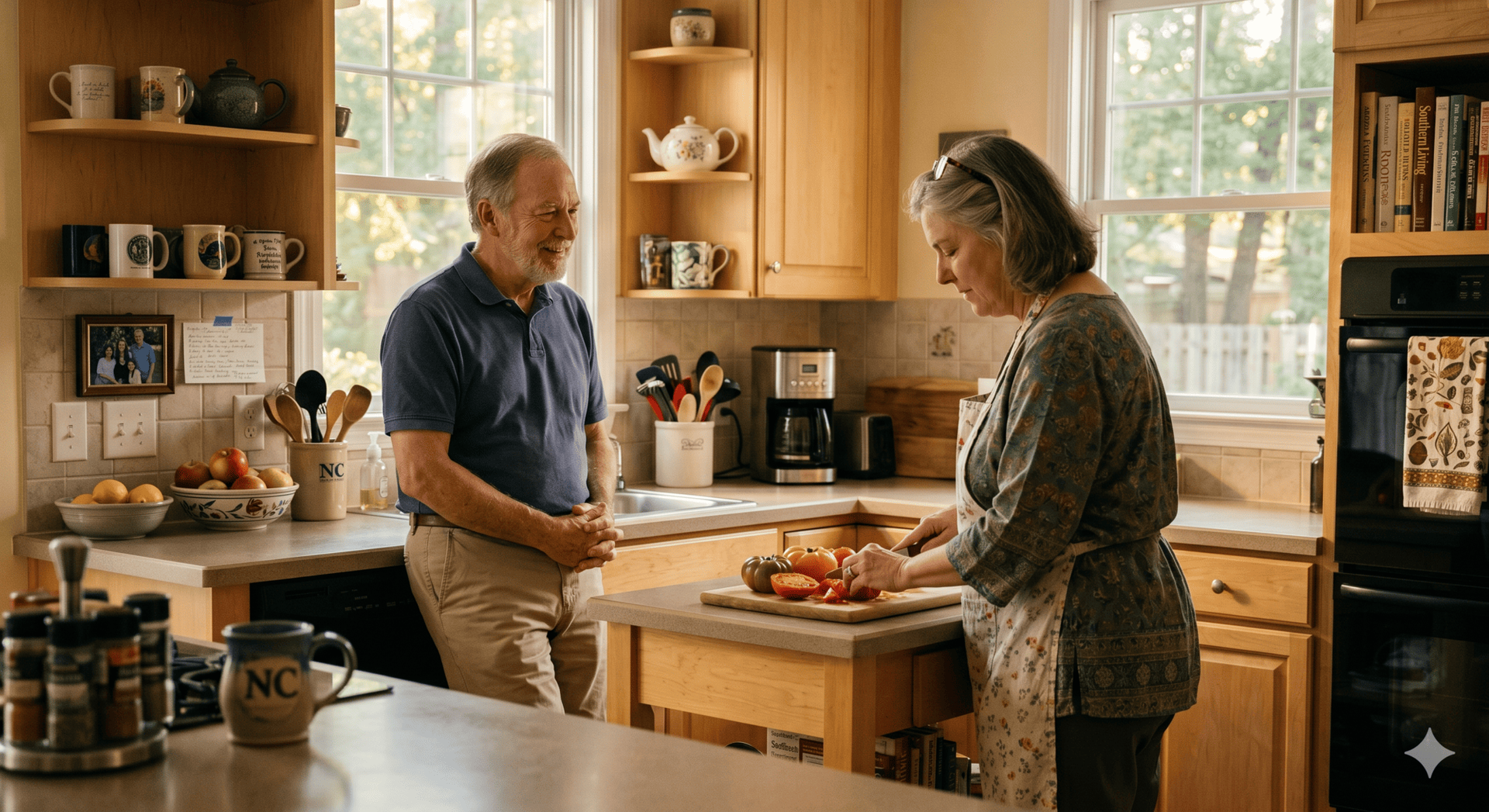
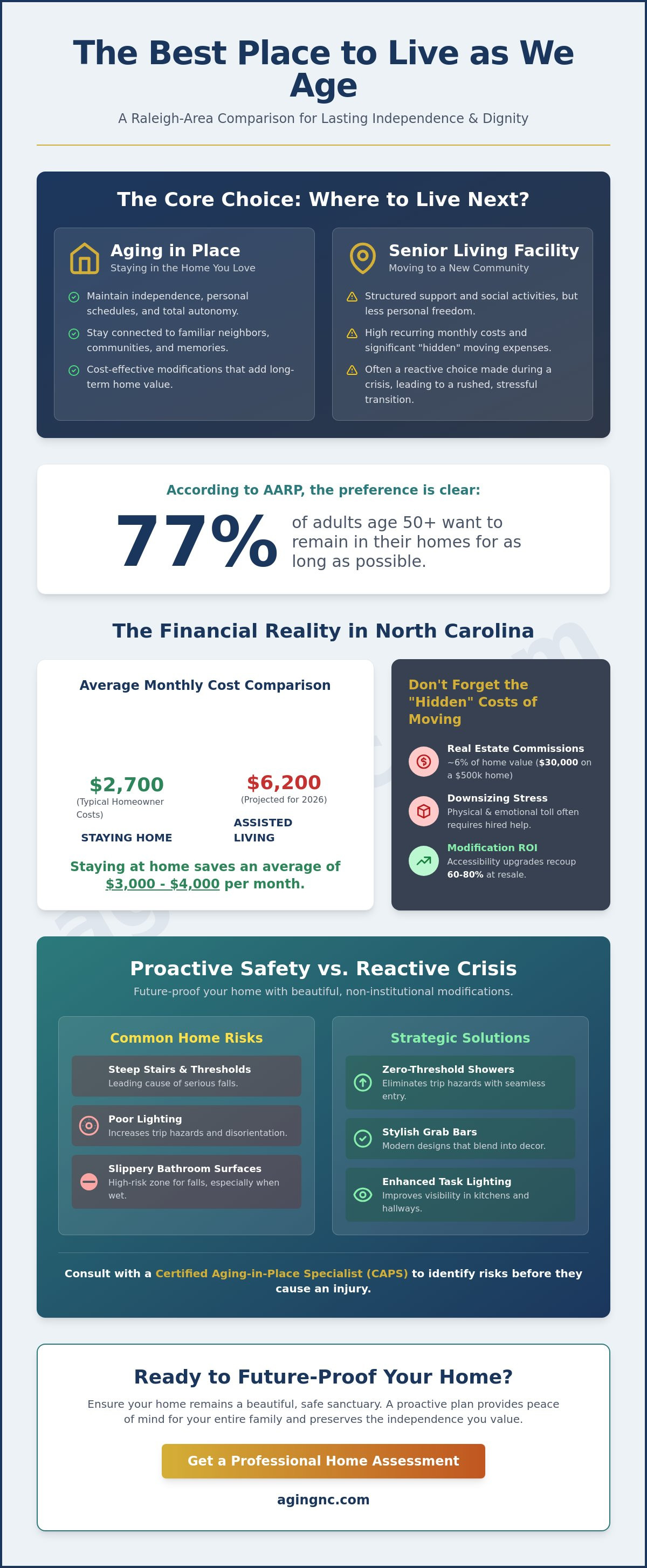
What if the safest, most dignified place for an older person to live in Raleigh isn't a high-end assisted living facility, but the very home they already love? You likely feel a heavy weight of responsibility as you watch your parents navigate steep stairs or struggle with high bathtub walls. It's natural to feel torn between the anxiety of a potential fall and the guilt of suggesting a move away from decades of memories. According to AARP, 77% of adults age 50 and older want to remain in their current homes for as long as possible. We agree that staying put should be a choice defined by joy and independence, not just a technical necessity.
This guide provides a clear, empathetic comparison of senior living options across the Triangle to help you decide if a transition or a future-proof home modification is the right path. You'll gain a local roadmap for Raleigh-area resources and learn how to create a space that feels beautiful rather than institutional. We'll explore the true costs of local facilities, the essential safety upgrades that protect your family, and how to maintain total peace of mind without leaving the neighborhood you call home.
Key Takeaways
- Understand the core differences between aging in place and senior living facilities to determine the most dignified and independent path for your future.
- Discover the true financial reality of the best place for an older person to live in the Triangle, including the hidden emotional and financial costs of downsizing.
- Learn how to identify environmental risks in your current home and why proactive safety modifications are more effective than reacting to a sudden crisis.
- Explore a 5-step strategic plan to future-proof your residence, ensuring your home remains a beautiful, safe sanctuary rather than an institutional space.
- Navigate specialized local resources across Raleigh, Cary, and Wake Forest that support long-term independence and vibrant intergenerational living.
Deciding Where an Older Person Should Live: The Three Main Options
Choosing the right environment for an older person to live in the Research Triangle involves more than just picking a zip code. By 2026, the Raleigh-Durham area has seen a significant shift in how we approach longevity, yet the fundamental dilemma remains the same. You are likely weighing the familiarity of your current residence against the structured support of a retirement community or assisted living facility. It's a decision that impacts your daily joy, your budget, and your long-term independence.
Data from AARP consistently shows that 90% of adults over age 65 want to stay in their current home as they age. We believe no one should have to leave their home simply because of physical limitations. The key is to "future-proof" your space today. This involves looking at your home through a 20-year lens, ensuring it remains safe and functional without losing its personal charm. Whether you live in a historic Oakwood cottage or a modern Cary suburban home, your environment should adapt to you, not the other way around.
Aging in Place: Staying in the Home You Love
Aging in place means living in your own home safely, independently, and comfortably, regardless of your age or ability level. To make this a viable reality, we rely on Certified Aging-in-Place Specialists (CAPS). These professionals conduct holistic accessibility assessments to identify risks before they lead to injuries. Our philosophy ensures that modifications are beautiful, not institutional. You don't have to settle for cold, clinical grab bars or hospital-grade flooring. Instead, we focus on high-quality craftsmanship that enhances your lifestyle while providing the peace of mind your whole family deserves.
Facility-Based Living: When is it the Right Choice?
Sometimes, the best place for an older person to live is a community designed for specific medical needs. It's vital to understand the levels of care available in the Triangle. Independent living offers social perks and a maintenance-free lifestyle, while assisted living provides direct help with daily tasks like bathing or medication management. For those researching the quality and development of such properties, the Assisted Living Real Estate Group offers a professional perspective on the senior care real estate market.
Many families encounter a "Move-In Crisis" because they wait for a fall or a medical emergency to make a decision. This reactive approach often leads to a rushed transition into an institutional environment. These facilities often lack the warmth and familiarity of a private home. When you compare the two, the institutional feel of a facility can't match the emotional stability of staying in the neighborhood you've known for decades. Making a proactive plan—which might include both home modifications and non-medical assistance from professional agencies like Providential Fijian Home Care —allows you to stay in control of your surroundings and your dignity.
Comparing Costs and Lifestyle: Home vs. Senior Living Facilities
Deciding where the best place for an older person to live in the Triangle depends on a clear-eyed look at both the checkbook and the heart. While the convenience of a managed facility is tempting, the financial and emotional costs of leaving a long-term home are often underestimated. Many families find that the most sustainable option for an older person to live comfortably is actually the home they already own, provided it is thoughtfully adapted for the future.
The Financial Breakdown in North Carolina
Industry reports project the average monthly cost for assisted living in North Carolina to reach $6,200 by 2026 (verify). In high-demand areas like Wake County, these rates can climb even higher. When you compare this to a home with a small or non-existent mortgage, the gap is wide. Even with property taxes, insurance, and utilities, staying at home often costs $3,000 to $4,000 less per month than a facility.
Moving also carries heavy "hidden" costs that drain an estate's value:
- Real estate commissions: A 6% commission on a $500,000 Raleigh home costs $30,000 instantly.
- Savings for heroes: Community heroes such as veterans, educators, and first responders in the Triangle can reduce these significant expenses by utilizing the Lead the Way Home Savings Program during their home transition.
- Downsizing stress: The physical and emotional toll of sorting a lifetime of belongings often requires professional organizers.
- Modification ROI: Investing in accessibility isn't a sunk cost. According to national remodeling data, aging-in-place upgrades like walk-in showers or widened doorways can recoup 60% to 80% of their value at resale.
Independence and Autonomy Comparison
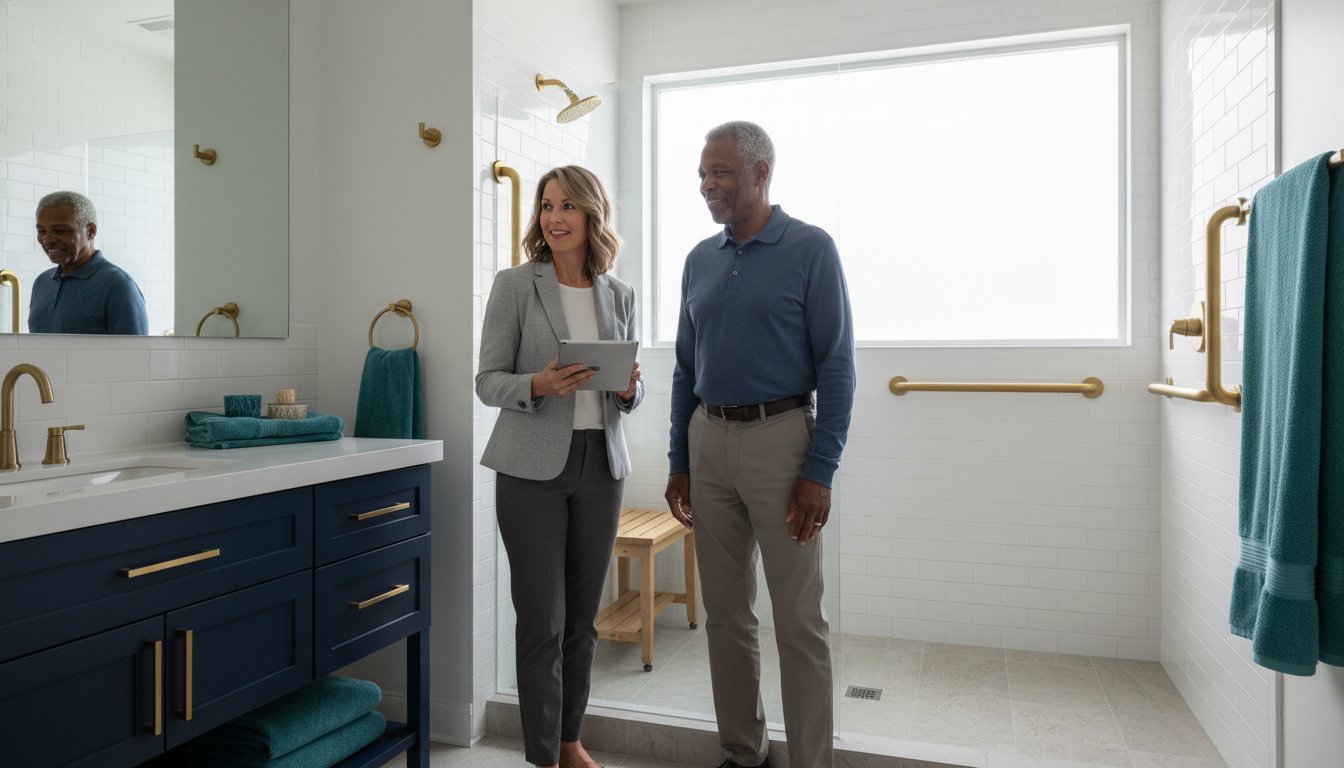
Maintaining a personal schedule provides a sense of dignity that institutional settings struggle to replicate. You choose when to wake up, what brand of coffee to brew, and who walks through your front door. The fear of an "institutional" feel often keeps people from making necessary safety changes, but modern modifications are beautiful, not clinical. High-end finishes like designer grab bars and slip-resistant luxury flooring ensure the home remains a sanctuary rather than a hospital ward.
Socially, staying in a Raleigh or Durham neighborhood allows for deep-rooted connections with long-term neighbors. These organic relationships are often more fulfilling than the structured, mandatory activities found in many facilities. To keep home life stress-free, our Fix-It Technician services handle the small repairs and maintenance tasks that might otherwise feel overwhelming. Furthermore, ensuring that every aspect of the household is supported—including pet care through specialized providers like Mission Cats In-Home Care —helps maintain a truly functional and independent lifestyle while staying in the home you love.
The Safety Factor: Identifying Risks in Triangle Homes
When families ask about the best place for an older person to live , they often focus on proximity to shopping or medical centers. However, true quality of life is defined by the safety of the immediate environment. Many homeowners believe their current residence is already safe enough because they've lived there for decades without incident. This is a common myth that overlooks how physical needs evolve over time. A home that felt perfect in the 1990s can quickly become a series of obstacles as mobility or vision changes occur.
North Carolina’s specific climate and architectural history also play a significant role in home safety. High humidity levels in the Triangle can lead to warped floorboards or slippery surfaces in areas like laundry rooms and entryways. Furthermore, many homes in Raleigh and Cary built between 1970 and 1990 feature crawl spaces and multi-level entries. These designs often require navigating several steps just to enter the home or move between the kitchen and living area. Addressing these risks isn't just about repairs; it's about making your home future-proof .
Common Hazards in Raleigh and Cary Residences
Traditional Southern home layouts, particularly split-levels common in neighborhoods like North Hills or Preston, present unique trip hazards. These small, frequent elevation changes are often difficult to see, especially when lighting is inadequate. Many older Triangle homes rely on dated overhead fixtures that don't provide the high-contrast illumination needed for senior safety. We pay special attention to the bathroom, as CDC data indicates that roughly 80% of senior falls occur in this room. We focus on making these spaces beautiful, not institutional , by installing high-end grab bars and curbless showers that feel like a spa rather than a hospital.
- Lighting Gaps: Dim hallways and shadows on staircases increase the risk of missteps.
- Transition Points: Uneven flooring between tile and carpet can catch a foot or a walker.
- Bathroom Barriers: High tub walls and lack of stable handholds create daily anxiety.
The Professional Safety Assessment Advantage
There is a significant difference between a standard contractor and a CAPS-certified safety evaluation. A general contractor looks for what's broken or aesthetic upgrades, but our team looks for what's risky. We examine the "whole-family" dynamic to ensure the home supports independence for everyone. Our assessments cover details that families often miss, such as the swing direction of a door that could trap someone during a fall or the height of kitchen counters that strain the back. We provide strategic planning to prevent falls before they happen, ensuring you stay in the home you love. A Safety Evaluation is a proactive roadmap for independence.
Choosing the right environment for an older person to live requires moving beyond surface-level comfort to find a space that truly protects their dignity. By identifying these risks early, we help Raleigh residents maintain their independence without the need for an institutional setting.
Local Resources for Seniors in Raleigh, Wake Forest, and Cary
The Research Triangle is a premier destination for retirees, but staying independent requires a robust local network. Finding the ideal place for an older person to live in Raleigh involves looking beyond the neighborhood and into the support systems available. In growing areas like Holly Springs and Fuquay-Varina, intergenerational living is becoming a standard. Recent housing trends show a rise in "accessory dwelling units" or in-law suites, allowing families to provide close-range care while preserving dignity and privacy. This approach turns a house into a multi-generational sanctuary.
Wake County Senior Services and Support
Local centers provide the backbone for social engagement. The Cary Senior Center and Morrisville’s active adult programs offer fitness and educational resources that keep minds sharp and bodies active. When it comes to the physical home, you need more than a standard handyman. Finding CAPS-certified professionals in the Raleigh and Greensboro areas ensures that modifications meet national safety standards. We emphasize "whole-family" training to prepare adult children for the "Silver Tsunami." By 2030, the NC Office of State Budget and Management predicts that 82 of North Carolina’s 100 counties will have more people over 60 than under 18. This shift makes vetted, local expertise a necessity for those who want to stay in the home they love.
Environmental Adaptations for the NC Climate
Our local weather dictates how we "future-proof" a home. North Carolina’s high humidity, which often averages 70 percent or higher during summer months, can cause wooden ramps and decks to become dangerously slippery. We prioritize high-traction materials and regular safety audits of outdoor spaces to prevent falls. Smart home technology also plays a vital role. Integration of safety sensors allows families to monitor indoor heat levels during our frequent heatwaves. In the Triangle, emergency power is a critical safety pillar. We recommend backup systems to ensure that mobility lifts and medical devices remain functional during the sudden storms common to the Piedmont region. These modifications are designed to be beautiful, not institutional, maintaining the aesthetic of your home while enhancing safety.
Ensure your home is ready for the years ahead with a tailored safety plan. Contact us today for a comprehensive home assessment to start your journey toward a safer, more independent life.
Strategic Planning: Making Your Home the Best Place to Live
Deciding where the best place for an older person to live often leads back to the comfort of their own living room. Staying put shouldn't be a gamble. Most homeowners wait for a medical emergency to make changes, but "crisis modifications" are often rushed, expensive, and feel clinical. We believe in a proactive, 5-step process to future-proof your North Carolina home. This strategy ensures your space remains a sanctuary, not a facility. By planning before a fall occurs, you maintain total control over the design and the timeline.
Proactive planning eliminates the stress of making major life decisions during a health recovery. Our project management approach focuses on seamless integration. We believe safety features should be beautiful, not institutional, preserving the dignity and style of your Raleigh home. Whether it is a curbless shower that looks like a high-end spa or discreet lighting that prevents trips, these upgrades represent an investment in your independence. We treat every modification as a way to enhance your lifestyle rather than a reaction to a limitation.
Step-by-Step Home Transformation
Our process begins with a professional evaluation to identify high-priority hazards that often go unnoticed by the untrained eye. We look at technical details like floor slip-resistance and threshold heights. Once we identify these risks, we develop a long-term strategic plan for phased modifications. This allows you to address the most critical needs first while preparing for future requirements without overhauling your entire house at once. Finally, we engage in whole-family training. This ensures every member of the household is equipped to help and understands how to use new accessibility features or smart home technologies safely.
The Aging in Place NC Difference
Chris and Amy Gaddy combine technical CAPS expertise with deep, family-focused empathy. They don't just see a construction project; they see a family's peace of mind. Their unique "Fix-It" technician approach provides ongoing home maintenance, so you never have to worry about a loose handrail or a flickering safety light. This holistic care makes staying at home a viable, long-term reality for Raleigh residents. If you want to ensure your home remains the safest and most comfortable place for an older person to live , it is time to take the first step toward a future-ready house.
Take control of your independence and secure your peace of mind. Schedule your Comprehensive Home Safety Assessment in Raleigh today to begin your journey toward a safer, more beautiful home.
Future-Proof Your Home in the Heart of North Carolina
Deciding on the best place for an older person to live doesn't have to mean moving into a facility. While the Triangle offers excellent senior living options, data from the CDC shows that one out of every four older adults falls each year, making home safety the most critical factor in staying independent. Whether you're in Raleigh, Wake Forest, or Cary, you can transform your current house into a sanctuary that's both safe and stylish. Our family-owned team in Wake County specializes in "beautiful, not institutional" modifications that preserve the home you love while removing hidden risks.
As Certified Aging-in-Place Specialists (CAPS), we focus on future-proof solutions that provide your whole family with peace of mind. You've spent years building your life in this community; with the right strategic planning, you won't have to leave it. We're here to help you navigate every step of this journey with professional expertise and genuine care. You deserve to feel confident and secure in your own space for years to come.
Frequently Asked Questions
Is it better for an older person to live at home or in a facility in Raleigh?
Deciding where an older person to live depends on their health, but 77 percent of adults over age 50 prefer to stay in their current home according to AARP data. Staying home preserves dignity and maintains vital community connections in the Triangle. Professional home modifications create a safe environment that serves as a proactive alternative to institutional facilities. This approach focuses on quality of life and independence in a familiar setting.
What is the most affordable way for a senior to live independently in NC?
Modifying an existing home is often the most cost-effective strategy because it avoids the high monthly fees of assisted living. The Genworth 2023 Cost of Care Survey shows the median monthly cost for assisted living in North Carolina is 4,000 dollars. Investing in strategic safety updates allows a person to bypass these recurring expenses. This future-proof investment saves families significant capital over a five-year period while maintaining home equity.
How much do home modifications for seniors typically cost in the Triangle?
Costs vary based on the project scope, but basic safety updates provide immediate peace of mind without a massive price tag. HomeAdvisor reports that the national average for disability-related home modifications is 9,545 dollars. Small changes like installing high-contrast lighting or reinforced grab bars are affordable starting points. These targeted investments help prevent the high medical costs associated with fall-related emergency room visits, which often exceed 30,000 dollars per incident.
What are the first signs that a home is no longer safe for an older person?
Difficulty navigating 12-inch steps or noticing "near misses" in the bathroom are primary indicators of safety risks. You might notice 10 or more unexplained bruises or see that your loved one is avoiding the second floor entirely. A home is no longer the ideal place for an older person to live if they struggle with basic daily movements. These red flags suggest it is time for a professional CAPS accessibility assessment to identify hidden hazards.
Can aging in place modifications be done without making the house look like a hospital?
Modern accessibility solutions are designed to be beautiful, not institutional. We use high-quality materials like brushed nickel grab bars that look like designer towel racks and seamless curbless showers with custom tile work. These sophisticated updates enhance your home's aesthetic while providing essential safety for the whole family. Your space remains a warm sanctuary that reflects your personal style rather than a clinical medical facility.
What local North Carolina resources are available for families caring for seniors?
The North Carolina Division of Aging and Adult Services provides a comprehensive network of support through 16 regional Area Agencies on Aging. Families in the Triangle can access the Resources for Seniors organization in Wake County for localized guidance and support groups. These organizations offer 24-hour information on meal programs, transportation, and caregiver training. Utilizing these state-funded resources helps families build a holistic plan for long-term independence.
What is a Certified Aging-in-Place Specialist (CAPS)?
A CAPS professional is a specialist trained by the National Association of Home Builders to address the unique needs of maturing adults. This certification requires the completion of three distinct courses focusing on home design, assessment techniques, and technical safety solutions. They understand the 100-plus details that make a home more functional and future-ready. Working with a CAPS-certified expert ensures your modifications are practical, beautiful, and compliant with safety standards.
How do I start a conversation with my parents about home safety in Cary or Wake Forest?
Start the conversation by focusing on their desire for independence and their love for their current neighborhood. Use a "what-if" scenario based on a 12-month outlook to keep the discussion proactive rather than waiting for a crisis. Ask questions like "How can we make this kitchen easier for you to use?" This approach positions you as a supportive partner in their journey. It's about empowering them to live the life they want in the home they love.