Preparing for the Silver Tsunami in Raleigh: A Guide for Research Triangle Families
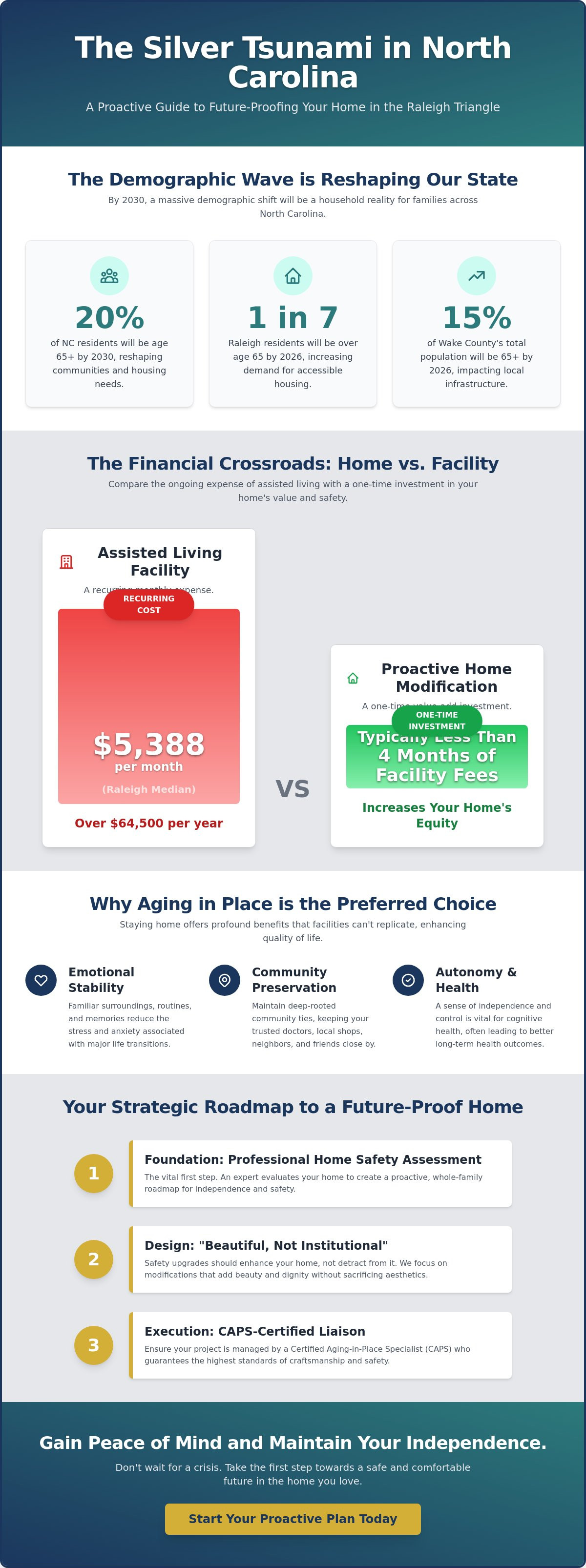
By 2030, the North Carolina State Budget Office projects that nearly 20% of our residents will be over the age of 65. This rapid demographic shift, known as the silver tsunami, is already reshaping neighborhoods across Raleigh and the wider Research Triangle. You likely feel the weight of this change as you look at the steep costs of local assisted living facilities, which Genworth’s 2023 Cost of Care Survey places at a median of $5,388 per month in our area. It's stressful to wonder if your home will eventually become a series of obstacles rather than a place of comfort.
We believe that no one should be forced to leave their sanctuary because of a few stairs or a slippery tub. This guide will help you understand the local impact of these trends and provide a clear, actionable plan to future-proof your home. You'll learn how to implement modifications that are beautiful, not institutional, ensuring your space remains a source of joy. We'll explore the specific steps you can take today to gain peace of mind and maintain your independence for years to come.
Key Takeaways
- Understand how the silver tsunami is reshaping the Raleigh housing market and what this demographic shift means for your family’s long-term planning.
- Compare the financial reality of North Carolina assisted living costs against the long-term value of future-proofing your existing home.
- Discover the "beautiful, not institutional" design philosophy that allows you to upgrade for safety without sacrificing your home’s aesthetic or dignity.
- Learn why a professional home safety assessment serves as the vital foundation for a proactive, whole-family roadmap to independence.
- Explore the advantage of having a CAPS-certified liaison to manage your project and ensure modifications meet the highest standards of craftsmanship.
What is the Silver Tsunami and How is it Hitting Raleigh?
The term "silver tsunami" describes a massive demographic shift as 73 million Baby Boomers across the United States reach age 65 or older by 2030. This isn't just a distant statistical forecast; it's a fundamental change in how our society functions. To understand the origins and the broader discussion surrounding this phrase, you can explore What is the Silver Tsunami? via Wikipedia. While the term is often used in economic circles, for families in the Research Triangle, it represents a deeply personal transition. It means our parents, neighbors, and friends are entering a new stage of life that requires thoughtful preparation and a "future-proof" approach to housing.
North Carolina has consistently ranked as a top destination for retirees, and the impact on our local infrastructure is becoming clear. The NC Office of State Budget and Management projects that by 2026, the 65 and older population in Wake County will grow to represent nearly 15% of the total residents, while Guilford County faces similar pressures. By 2026, Raleigh’s senior population will expand so rapidly that one in every seven residents will be over the age of 65, transforming the city’s demographic landscape forever. This shift has moved from a national trend to a household reality for Triangle families who now find themselves balancing careers with the care of aging loved ones.
The Local Impact on the Research Triangle
Raleigh, Cary, and Wake Forest are magnets for the aging population due to our world-class healthcare and mild climate. However, this popularity brings challenges. Local senior living facilities are facing unprecedented demand, leading to long waitlists and rising costs for traditional assisted living. Many families are realizing that the local infrastructure isn't expanding fast enough to keep up with the 2026 projections. This creates a sense of urgency to find solutions that preserve dignity without relying on overstretched institutional settings. We believe every modification to a home should be beautiful, not institutional, ensuring that safety doesn't come at the cost of a home's aesthetic soul.
Why 'Aging in Place' is the Preferred Solution
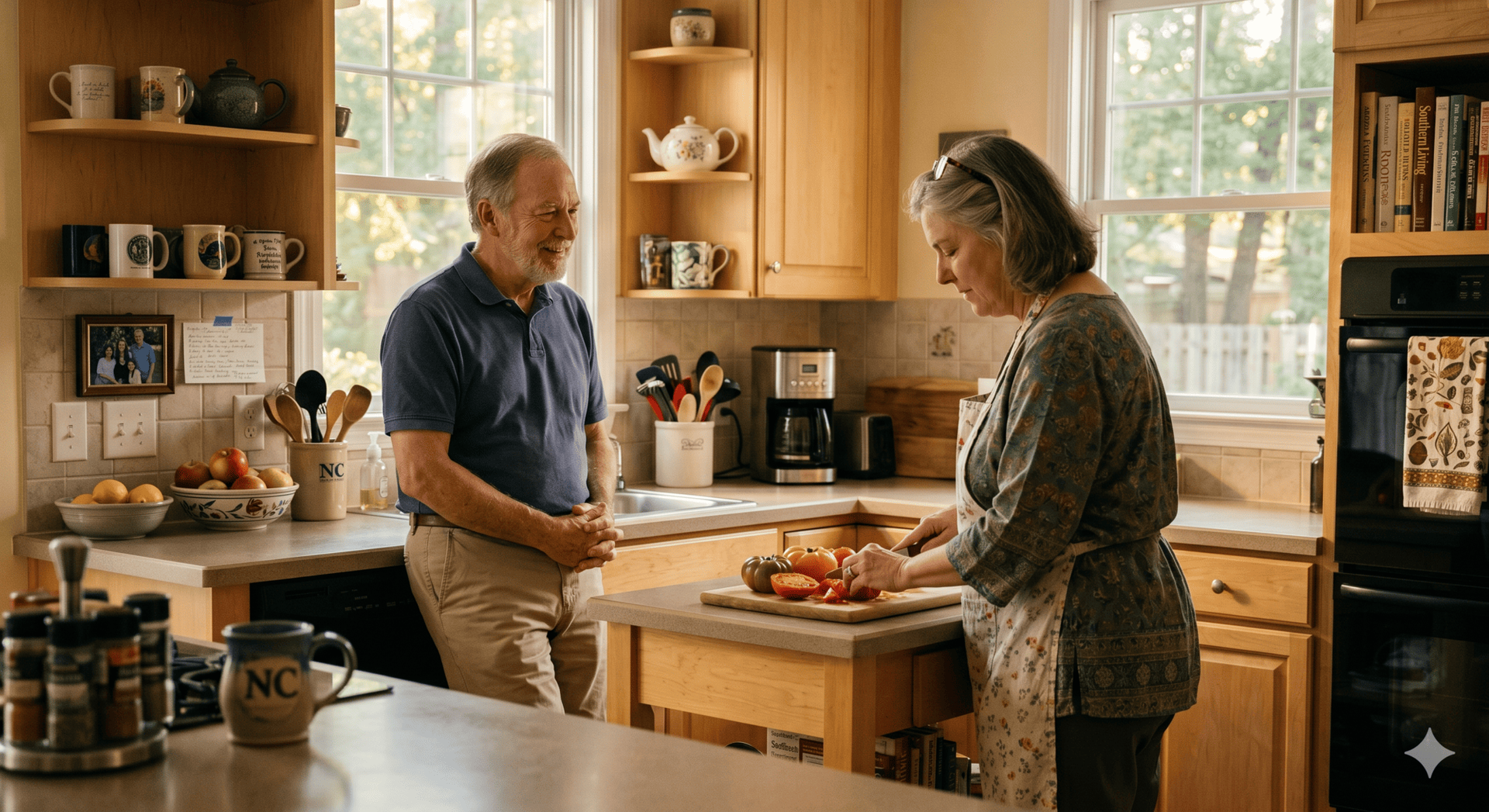
Staying at home offers profound psychological and physical benefits that a facility simply can't replicate. When a person remains in a familiar environment, they maintain a sense of autonomy and "peace of mind" that is vital for cognitive health. In established neighborhoods like North Hills or Preston, staying at home allows seniors to keep their deep-rooted community ties and social networks. It’s about more than just a house; it’s about the life lived within those walls. To explore your options, read more about Where is the Best Place for an Older Person to Live in Raleigh & the Triangle? to see how your current home fits into your long-term plans.
- Emotional Stability: Familiar surroundings reduce stress and anxiety during life transitions.
- Community Preservation: Staying in the Triangle means keeping your local doctors, grocery stores, and friends.
- Holistic Health: Home-based living often leads to better long-term health outcomes compared to clinical environments.
The Economic Reality: Housing and Care in North Carolina
By 2026, the North Carolina housing market will face a significant squeeze as the silver tsunami gains momentum. Inventory for accessible, single-story homes remains at historic lows while demand from the aging population climbs. Many Raleigh seniors are choosing to stay in their current homes rather than downsize, which reshapes The Economic Reality: Housing and Care in North Carolina. This trend creates a bottleneck for younger families but offers a unique opportunity for homeowners to leverage their home equity for long-term stability.
Financial planning for this demographic shift requires a hard look at the numbers. Since many families rely on home equity or specialized loans to fund renovations, consulting with a firm like Allen & Allen, Inc. can provide the credit education and guidance needed to secure the best possible financing terms. In Greensboro, the median cost for assisted living reached approximately $4,369 per month in 2023. This totals over $52,000 annually. Strategic home modifications often cost less than four months of facility fees, allowing families to preserve their monthly retirement income while future-proofing their most valuable asset.
The Cost of Crisis vs. The Value of Prevention
A single fall can change everything in an instant. The CDC reports that 20 percent of falls result in serious injuries like hip fractures or head trauma. These events often lead to immediate, forced institutionalization because the home is no longer safe for a recovery period. We call the alternative the "Prevention Dividend." By investing in Aging in Place Services in Raleigh today, you avoid the astronomical medical bills and emotional trauma of a preventable accident. It's about spending a small amount now to save your independence and your savings later.
This prevention strategy also extends to physical wellness; for instance, specialized clinics like Restore Chiropractic Center focus on neurological health and balance, which are critical for navigating a home safely as we age.
Triangle Housing Trends: From Cary to Fuquay-Varina
Local zoning laws are shifting rapidly to accommodate the silver tsunami . In towns like Cary and Fuquay-Varina, regulations around Accessory Dwelling Units (ADUs), often called "granny flats," are becoming more flexible. This change supports the growing trend of multi-generational living throughout the Research Triangle. However, this surge in demand has put immense pressure on local contractors. It's vital to work with specialized CAPS professionals who understand that modifications should be beautiful, not institutional. If you're ready to start planning, a professional home safety assessment can provide a clear, empathetic roadmap for your family's future.
Overcoming the 'Institutional' Fear: Beautiful Home Modifications
The most common objection we hear from Raleigh homeowners isn't about the cost or the timeline of a renovation. It's the fear that their home will start to look like a nursing home. No one wants to trade their curated interior design for cold, clinical hardware. As the silver tsunami approaches the Research Triangle, we're changing the conversation. At Aging in Place NC, our "Beautiful, Not Institutional" philosophy ensures that safety never comes at the expense of your home's soul. We believe your living space should remain a sanctuary that reflects your personality while quietly providing the support you need.
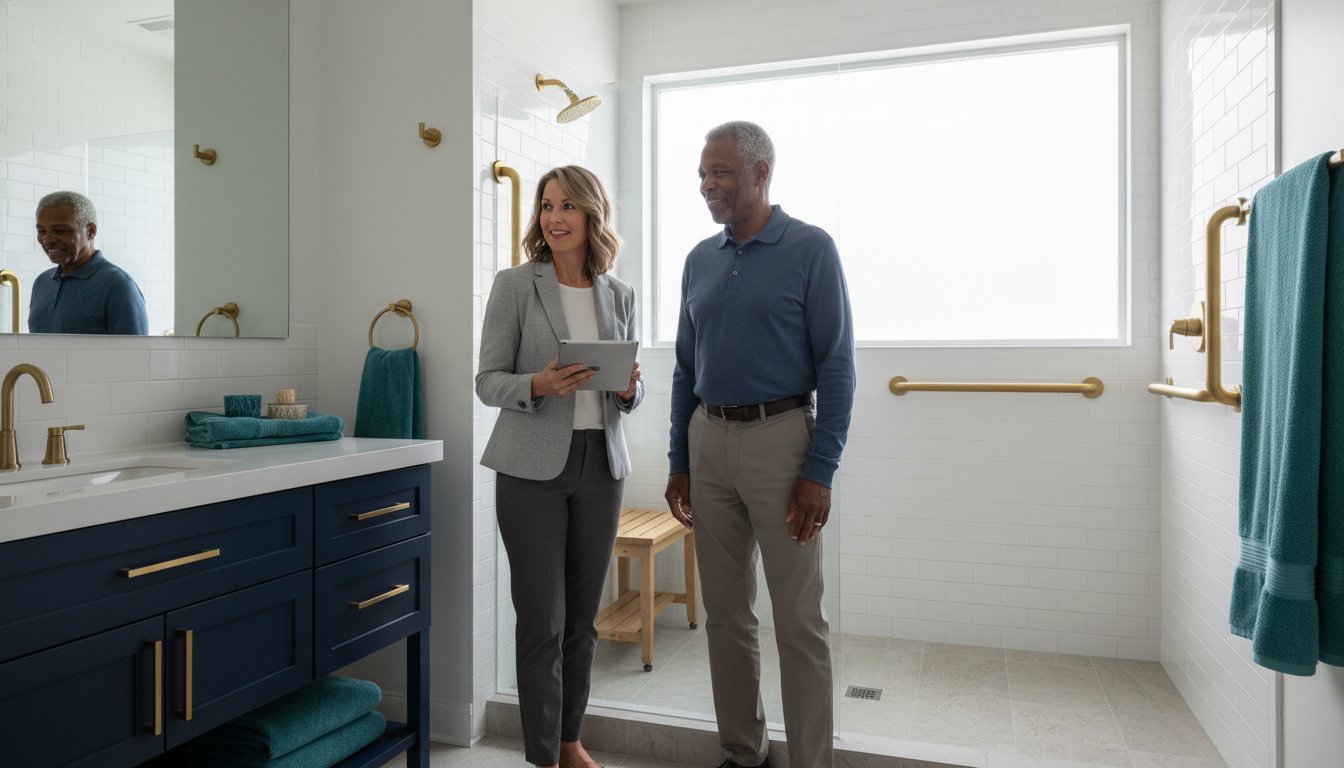
Modern Universal Design has evolved far beyond the hospital-grade fixtures of the past. Today, we blend safety features seamlessly into high-end aesthetics. We replace traditional, utilitarian chrome grab bars with designer hardware that serves a dual purpose. A sleek, brushed gold bar in the shower can function as a high-capacity towel rack while supporting up to 250 pounds of weight. This approach allows you to stay in the home you love without feeling like you've moved into a medical facility. We focus on future-proof solutions that empower your independence through sophisticated craftsmanship.
The Psychology of a Safe Home
Environment plays a critical role in mental health and dignity. When a home feels institutional, it can create a sense of "patienthood" that erodes a senior's confidence. Research indicates that clinical, stark environments can actually accelerate cognitive decline by increasing stress and reducing sensory engagement. By contrast, a warm and familiar home fosters a sense of agency. A designer bathroom can be both ADA-compliant and luxury-focused, featuring curbless entries and hidden drainage systems that look like high-end spa elements rather than medical necessities. Maintaining these aesthetic standards helps preserve the emotional integrity of the home for the whole-family.
Strategic Aesthetics in the Triangle
Smart modifications don't just protect your health; they protect your investment. In the competitive Raleigh real estate market, accessible features are becoming a significant selling point. High-quality modifications can increase home resale value as more buyers look for "forever homes" in the Research Triangle. We recommend choices that look modern but function as safety anchors:
- LED Path Lighting: Recessed floor lighting that illuminates hallways automatically at night, reducing fall risks without the need for bulky plug-in lights.
- Luxury Vinyl Plank (LVP): Slip-resistant flooring that mimics the look of natural hardwood but provides a softer, safer surface for joints.
- Matte Hardware: Lever-style door handles in contemporary finishes like matte black or satin nickel that are easier for arthritic hands to operate.
Preparing for the silver tsunami means making proactive choices today that will serve you for decades. For more detailed insights on specific upgrades, explore our guide on Home Modifications for Elderly Residents in Raleigh. Our CAPS-certified experts ensure every modification is a seamless addition to your lifestyle.
A Strategic Roadmap for the Proactive Family
Preparing for the silver tsunami requires more than reactive fixes after a fall occurs. It demands a whole-family strategy where everyone, from the homeowner to the adult children, feels confident in the plan. This proactive mindset transforms a house from a potential risk into a sanctuary of independence. By following a structured roadmap, Research Triangle families can ensure that home modifications are beautiful, not institutional, while spreading out the financial investment over several years.
Part of this comprehensive planning also includes making decisions about end-of-life preferences. For families in the Carolinas seeking guidance on compassionate and affordable arrangements, cremationsocietyofsc.com offers resources to help navigate these sensitive discussions as part of a total family roadmap.
- Step 1: The Professional Home Safety Assessment. Every successful plan begins with a clear baseline. A Home Safety Assessment is a diagnostic tool for residential longevity that identifies current risks and anticipates future needs.
- Step 2: Identifying Hidden Hazards. Many Raleigh homes built during the 1970s and 1980s feature split-level entries or deep garden tubs that become significant obstacles as mobility changes. Identifying these Triangle-style hazards early prevents them from becoming emergency barriers.
- Step 3: Creating a Multi-Year Modification Plan. You don't have to renovate the entire house at once. A tiered plan allows families to prioritize high-traffic areas like the primary bathroom first, then move to lighting and entryways in subsequent years.
- Step 4: Training the Support Network. Physical changes to the home are only half the battle. Training adult children and local caregivers on how to use new equipment or smart home features ensures the safety net is strong and reliable.
The Adult Child's Role as a Trusted Advisor
Starting the conversation about home safety can feel daunting. Many parents fear losing their independence, so it's vital to frame these changes as "future-proofing" rather than "senior proofing." Focus on how these upgrades allow them to stay in the home they love for as long as possible. Using a collaborative approach reduces defensiveness and positions you as a partner in their autonomy. For more detailed communication strategies, read The Adult Child’s Guide to Supporting Aging Parents in Raleigh, NC.
Assessing Your Home's 'Future-Readiness'
A house that worked for you at age 40 may not serve you at age 75. While a general contractor might look at aesthetics, a CAPS-certified professional evaluates the home through the lens of ergonomics and long-term accessibility. They see the trip hazards in a transition strip or the danger in a poorly lit hallway that others miss. Focus your evaluation on these five critical areas:
- Entryways: Evaluating the need for zero-step thresholds or sturdy handrails.
- Bathrooms: Assessing the safety of current tubs and the height of toilets.
- Lighting: Increasing lumens in kitchens and stairways to compensate for natural vision changes.
- Flooring: Checking for loose rugs or slippery surfaces that increase fall risks.
- Kitchen: Ensuring frequently used items are within a "comfort zone" that doesn't require reaching or bending.
Taking these steps now ensures your home remains a place of joy rather than a source of stress. You can begin securing your family's future by booking a professional home safety assessment to identify your specific needs.
Navigating the Wave with Aging in Place North Carolina
Chris and Amy Gaddy founded Aging in Place North Carolina to solve a specific problem: the gap between needing home modifications and knowing how to execute them safely. As the silver tsunami brings a demographic shift to the Research Triangle, the Gaddys use their CAPS (Certified Aging-in-Place Specialist) designation to guide families through complex transitions. Their approach isn't about clinical fixes. It's about preserving the dignity of your home environment while ensuring it remains functional for years to come.
One of the most significant advantages they offer is their role as a dedicated liaison. Managing contractors is stressful, especially when you're balancing caregiving duties or a full-time career. Aging in Place North Carolina provides a professional project management layer. They handle the communication between you and the technical crew. This ensures every technician follows the precise safety specifications required for senior living. This oversight eliminates the guesswork and protects your investment from substandard work.
This model of dedicated oversight is equally important in the commercial world; for example, Nationwide Janitorial Connect provides project management for commercial janitorial services, ensuring that facilities and senior living centers maintain the highest standards of cleanliness and safety.
The commitment to the Raleigh, Greensboro, and Research Triangle communities goes beyond simple construction. Chris and Amy provide peace of mind through whole-family safety training. They don't just install a new walk-in tub or a ramp; they ensure everyone in the household knows how to use these features correctly. This holistic approach reduces the risk of accidents and builds confidence for both the senior and their loved ones.
Local Expertise for Local Families
Being a family-owned, North Carolina-based business means Chris and Amy are deeply rooted in the communities they serve. Whether you live in Wake Forest, Holly Springs, or Morrisville, you receive localized care that national franchises can't match. Their "Fix-It Technicians" provide a unique level of ongoing support. These professionals don't just install equipment. They return to ensure grab bars remain secure, thresholds stay clear, and lighting stays bright. This proactive maintenance keeps your home's safety features in top shape year after year.
Take the First Step Toward a Future-Proof Home
Preparing for the silver tsunami doesn't mean your house has to look like a hospital. The Gaddys are committed to the "beautiful, not institutional" philosophy. Every modification is designed to blend seamlessly with your existing decor while providing the highest level of function. You can have a bathroom that looks like a spa but functions with the safety of a specialized facility. This same dedication to professional aesthetics is vital for North Carolina businesses and senior-focused facilities; to see how custom branding enhances these environments, learn more about Charlotte Sign Company.
To begin your journey, book a Comprehensive Home Safety Assessment. This holistic review identifies immediate risks and long-term needs, giving your whole family a clear roadmap for the future. Don't wait for a fall to make a change. Start planning today so you can stay exactly where you belong.
Secure Your Future with a Home That Evolves With You
The demographic shift known as the silver tsunami is already reshaping our community; by 2030, one in five North Carolinians will be age 65 or older. This surge means that Raleigh families must act now to avoid the high costs and limited availability of local care facilities. Chris and Amy Gaddy, the CAPS-certified owners of Aging in Place North Carolina, provide a proactive roadmap for families throughout Raleigh, Cary, and Greensboro. Our approach focuses on "beautiful, not institutional" modifications that protect your home's aesthetic while maximizing safety. We've helped many of the 1.7 million residents in the Research Triangle region transform their living spaces into "future-proof" sanctuaries. You don't have to sacrifice your style to gain peace of mind. By addressing mobility risks today, you ensure your home remains a place of joy and independence for the long term. Let's work together to make sure you stay in the home you love.
Frequently Asked Questions
What exactly is the Silver Tsunami and why is it a concern now?
The silver tsunami refers to the rapid increase in the population of adults aged 65 and older as the Baby Boomer generation enters their senior years. By 2030, the U.S. Census Bureau projects that 1 in every 5 Americans will be of retirement age. This shift is a concern because it places high demand on local housing markets and healthcare systems that aren't yet fully prepared for this demographic transition.
Is the Silver Tsunami an ageist term?
While the term silver tsunami is common in economic circles, some advocacy groups like the Gerontological Society of America suggest it can imply that aging is a destructive force like a natural disaster. We prefer to view this shift as an opportunity to innovate and improve our communities. Our focus remains on creating beautiful, not institutional environments that celebrate longevity and ensure every Raleigh resident can age with dignity.
How much does it cost to prepare a home for aging in place in Raleigh?
Home modification costs vary based on the scope of the project; however, data from HomeAdvisor indicates that the average cost for aging in place remodeling projects ranges from $800 to $8,000. Simple additions like grab bars might cost $100 per unit, while major renovations like walk-in tubs can exceed $5,000. These investments future-proof your home and often cost less than a single month in a local assisted living facility.
What are the most common home hazards for seniors in the Research Triangle?
The most common home hazards for seniors include poor lighting, loose rugs, and high threshold entryways that lead to falls. The CDC reports that 1 in 4 older adults falls each year, making fall prevention a top priority for home safety. In Raleigh's older neighborhoods, narrow doorways and steep stairs often create additional mobility barriers that require a professional assessment to ensure a seamless and safe living environment.
When is the best time to start planning for home modifications?
The best time to start planning for home modifications is before a mobility crisis or medical emergency occurs. Proactive planning allows families to make thoughtful decisions about beautiful, not institutional designs rather than rushing into functional but cold medical fixes. Starting early ensures your home is future-ready, providing peace of mind and preventing the stress of a forced move during a sudden health transition.
Does insurance or Medicare cover home safety assessments in North Carolina?
Original Medicare generally doesn't cover the cost of home safety assessments or physical modifications like ramps and grab bars. However, some Medicare Advantage plans in North Carolina began offering limited coverage for home safety devices in 2019. It's essential to check your specific policy; some long term care insurance providers also offer benefits for modifications that help policyholders stay in their homes longer and maintain their independence.
How can I convince my parents to accept home safety modifications?
Focus the conversation on independence and staying in the home they love rather than highlighting their limitations. Frame safety modifications as a way to future-proof the house for the whole family, including visiting grandchildren. When parents see that safety upgrades can be seamless and stylish, they're often more willing to accept changes that preserve their quality of life and provide confidence to their adult children and caregivers.
What is a CAPS-certified professional and why do I need one?
A Certified Aging in Place Specialist (CAPS) is a professional who has received specific training through the National Association of Home Builders to address the unique needs of seniors. We use this expertise to identify hidden risks and recommend holistic solutions that go beyond simple repairs. Working with a CAPS professional ensures your modifications are technically sound and integrate perfectly with your home's aesthetic, providing a long term partnership for safety.