Free Services for Senior Citizens in Raleigh & the Triangle: The 2026 Resource Guide
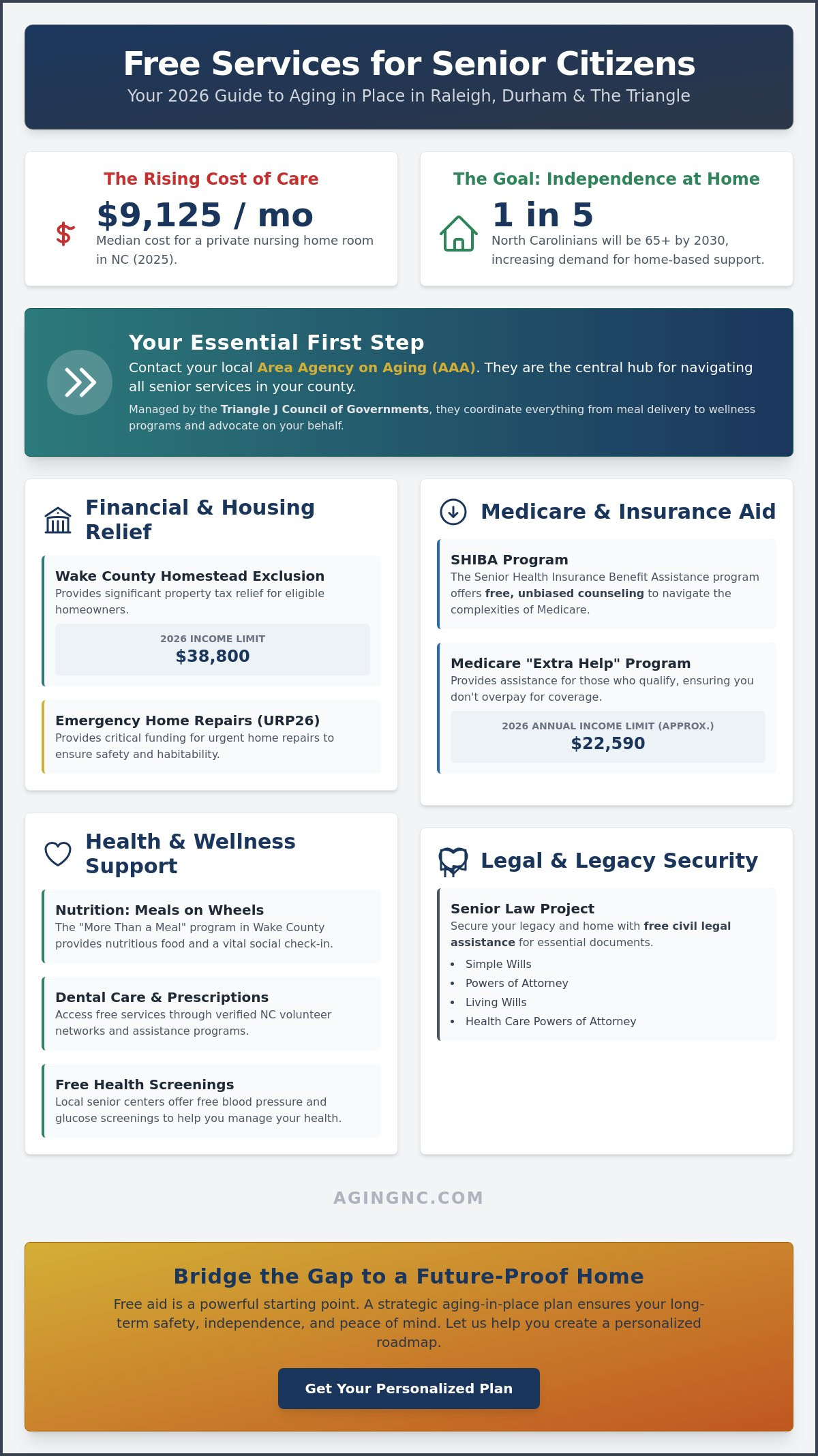
By 2030, one in five North Carolinians will be 65 or older, yet the median cost for a private nursing home room in our state reached a staggering $9,125 per month in 2025. You likely already feel the pressure of the rising cost of living in the Triangle, and it's exhausting to search for help only to find confusing government websites or programs that feel cold and institutional. You deserve to stay in the home you love with dignity and peace of mind. This guide simplifies your search for free services for senior citizens by providing a clear roadmap to the local resources available in Raleigh, Durham, and the surrounding areas for 2026.
We'll show you how to navigate the 2026 Wake County tax exclusions, which allow an income limit of $38,800 for the Homestead Exclusion, and explain the URP26 funding for emergency home repairs. You will gain a clear list of local phone numbers and a solid understanding of how federal and local aid differ. By the end of this resource, you'll have the tools to future-proof your home and maintain your independence without the stress of hidden costs or bureaucratic red tape.
Key Takeaways
- Learn why your local Area Agency on Aging is the essential first step for navigating the complex web of support in the Triangle.
- Identify specific 2026 eligibility requirements for free services for senior citizens in Wake and Durham counties, including property tax relief and nutrition programs.
- Discover how to access free dental care and prescription medications through verified North Carolina volunteer networks and assistance programs.
- Find out how to secure your legacy and home with free civil legal assistance for wills and power of attorney through the Senior Law Project.
- Understand how to bridge the gap between basic government aid and a "future-proof" home strategy that ensures long-term safety and independence.
Navigating Free Senior Resources in Raleigh and the Research Triangle
Living in the Triangle offers a unique advantage for aging adults, as Raleigh and Cary consistently outpace national averages for community-integrated support. As of May 2026, North Carolina has seen a significant demographic shift, with 18 percent of the population now aged 65 or older. This growth has fueled a robust network of local aid designed to help you stay in the home you love. However, finding free services for senior citizens requires a clear strategy. Some programs are universal for anyone over age 60, while others, like the Homestead Exclusion property tax relief, depend on specific income limits like the 2025 threshold of $38,800. Understanding these distinctions is the first step toward building a future-proof lifestyle that prioritizes your dignity.
The local landscape is characterized by a move toward holistic, person-centered care. Instead of just meeting basic needs, Raleigh-based programs often focus on mental and emotional well-being. This community-centric approach ensures that help doesn't feel institutional or cold. By 2025, 88 of North Carolina's 100 counties had more residents over 60 than under 18, which has forced local lawmakers to make senior advocacy a top priority. This means you have access to more specialized resources here than in many other parts of the country.
The Role of the Triangle J Council of Governments
The Triangle J Council of Governments serves as the regional backbone for senior advocacy. They manage the Area Agency on Aging (AAA), which coordinates everything from meal deliveries to wellness classes across Wake and Durham counties. If you face challenges with care quality or rights, their Long-Term Care Ombudsman provides a vital, independent voice for residents and their families. The primary mission of the AAA for Wake County is to empower older adults to maintain their independence and quality of life through coordinated community resources. This agency ensures that the funding provided by the Older Americans Act reaches the people who need it most in our local neighborhoods.
Starting Your Search: The Eldercare Locator and Local Hubs
To find help by zip code, the federal Eldercare Locator is a reliable starting point for national connections. However, for those in Wake County, Resources for Seniors acts as the primary non-profit hub. They offer a personal touch that larger federal agencies often lack. Starting your search with these local experts often bypasses the red tape of national bureaucracies; they know the specific Raleigh streets and local volunteers who can help you today. Using these free services for senior citizens allows you to preserve your savings for the things that matter most, like maintaining a beautiful and safe home environment.
Core Government Programs: Wake and Durham County Support
Wake and Durham counties have built a safety net that prioritizes your ability to stay connected to your community. While federal programs provide the funding, local agencies like the NC Division of Aging and Adult Services ensure these resources reach your front door. In 2026, North Carolina senior centers have evolved into high-tech health hubs. These centers now offer free screenings for blood pressure and glucose that help you manage your health without frequent trips to a clinical office. Durham County Senior Services specifically focuses on adult day care and caregiver support, recognizing that a "whole-family" approach is necessary for true peace of mind.
If you feel overwhelmed by the complexities of Medicare, the SHIBA (Senior Health Insurance Benefit Assistance) program offers free, unbiased counseling. These advisors help you understand the 2026 Medicare "Extra Help" program, which currently supports individuals with an annual income limit of approximately $22,590. This guidance ensures you aren't overpaying for coverage. It gives you more financial freedom to invest in a strategic aging-in-place plan that keeps your home safe and functional. Accessing these free services for senior citizens is about more than saving money; it's about securing your independence.
Nutrition and Meals on Wheels of Wake County
Meals on Wheels of Wake County operates the "More Than a Meal" program, which serves as a vital lifeline for seniors in Raleigh and the surrounding towns. It's about much more than the food. For many living alone, the volunteer who delivers the meal provides a critical daily safety check. This simple interaction can prevent accidents from going unnoticed for long periods. If you prefer a social setting, congregate nutrition sites at local senior centers offer free, balanced meals alongside opportunities for friendship. These programs are designed to feel like a community gathering rather than an institutional service, preserving the joy of shared meals.
Transportation Services: GoTriangle and Beyond
Maintaining your independence means having the freedom to move about the Triangle without the stress of driving. GoTriangle, along with GoRaleigh and GoDurham, offers specialized transit programs for residents aged 65 and older. These options include:
- GoRaleigh: Offers reduced fares and specialized paratransit for city residents.
- GoDurham: Provides the ACCESS service for those who cannot use fixed-route buses.
- GoCary: Features door-to-door services for seniors within the town limits.
For those with mobility challenges, door-to-door paratransit services provide a seamless way to reach medical appointments or grocery stores. In areas like Wake Forest, local faith-based organizations often step in with volunteer driver programs to fill the gaps in suburban areas. These services ensure that transportation is never a barrier to your health or social life, allowing you to live the life you want on your own terms.
Essential Daily Living Support: Health and Wellness
Maintaining your health shouldn't feel like a financial burden that threatens your independence. In the Triangle, a robust network of professionals provides free services for senior citizens to ensure your physical and mental well-being remains a top priority. These resources go beyond basic medical care; they're designed to preserve your quality of life and keep you active in the community you love. By focusing on preventative wellness, you can avoid the "institutional" feel of hospital-based care and stay comfortably in your own home.
For many, dental and sensory health are the first areas to suffer when costs rise. The North Carolina Dental Society’s volunteer network offers a lifeline through specialized clinics that provide high-quality care at no cost to those in need. Similarly, the NC Lions Foundation works tirelessly across the Triangle to provide assistance for vision and hearing screenings, eyeglasses, and hearing aids. These programs ensure you don't lose the ability to see the faces of your grandchildren or hear the sounds of your neighborhood due to lack of funds.
Mental and emotional wellness is just as critical as physical health. Chapel Hill and the surrounding areas host several free support groups specifically for seniors and their caregivers. these sessions offer a safe space to share experiences and find comfort among peers who understand the unique journey of aging. This holistic approach to health ensures that your mind stays as sharp and resilient as your body, fostering true domestic stability.
The North Carolina MedAssist Program
The North Carolina MedAssist program serves as a statewide free pharmacy for low-income, uninsured residents. To qualify in 2026, applicants must meet specific income guidelines and lack any form of health insurance, including Medicare in some specific cases. You can access these medications through their "Mobile Free Pharmacy" events, which frequently visit community centers across Raleigh and Durham to distribute over-the-counter items and prescription aid. NC MedAssist acts as a critical safety net for those who fall into the Medicare Part D "donut hole," ensuring life-saving medications remain accessible when coverage gaps occur.
Free Health Screenings at Triangle Senior Centers
Preventative care is the cornerstone of a "future-ready" lifestyle. The Five Points Center for Active Adults in Raleigh offers regular, free health screenings, including blood pressure checks and diabetes monitoring. These aren't just technical procedures; they're essential tools that help you catch small issues before they become major crises. Identifying a blood pressure drop or a vision change is a key part of a holistic aging-in-place strategy because these health markers often signal a higher risk of falls. By connecting your clinical wellness to your home safety, you create a seamless environment where you can live the life you want with total confidence.
Free Home Safety and Legal Assistance for NC Seniors
Securing your home and your legacy is the foundation of long-term independence. Many Triangle residents worry that unexpected legal hurdles or a failing roof might force them into a care facility, but Raleigh offers several free services for senior citizens to prevent this displacement. These programs focus on protecting your rights and maintaining the structural integrity of your property. By addressing these issues proactively, you ensure your living space remains a sanctuary of dignity rather than a source of stress. You don't have to face these challenges alone; local experts are ready to help you future-proof your environment.
Local municipalities often use community block grants to fund minor home modifications that enhance safety. For example, the City of Raleigh participates in the 2026 Urgent Repair Program (URP26), which provides critical assistance for those whose income is at or below 50 percent of the area median income. These grants help cover essential fixes that keep your home functional and secure. Combining these public resources with a comprehensive home safety assessment allows you to identify risks before they lead to a crisis. This strategic approach ensures your modifications are beautiful and effective, not institutional.
Legal Aid of North Carolina: Protecting Your Rights
Legal Aid of North Carolina’s Senior Law Project offers free civil legal assistance to residents aged 60 and older. Their Senior Legal Helpline is a vital resource for answering questions about wills, powers of attorney, and consumer protection. Expert advocates help you resolve housing disputes or clarify complex property titles, ensuring you stay in control of your estate. This support is especially valuable for families using The Adult Child’s Guide to Supporting Aging Parents in Raleigh, NC to coordinate care. Protecting your legal rights is a key step in maintaining domestic stability and emotional peace of mind.
Free Home Repairs and Weatherization
The Weatherization Assistance Program (WAP) helps Triangle homeowners reduce utility bills by making their homes more energy efficient. Wake County also manages a Housing Rehabilitation Program for low-income seniors that handles more significant repairs. For rural residents in the Triangle, the USDA Section 504 program provides home repair grants for those aged 62 and older, with a lifetime limit of $10,000. These funds can be used to remove health and safety hazards, allowing you to live the life you want in a comfortable environment. While these programs handle major repairs, you can find more specialized guidance in our resource on Handyman Services for Seniors in Raleigh, NC. Using these resources together ensures your home is both safe and beautiful for years to come.
Strategic Planning: Bridging the Gap Between Free Aid and Independence
Utilizing free services for senior citizens provides a vital financial cushion, but these resources often function as reactive solutions rather than a long-term strategy. While a government grant might fix a broken water heater or provide a weekly meal, it rarely addresses the holistic safety of your entire living environment. True independence requires moving from a mindset of fixing what is broken to preparing for what is next. By leveraging the savings gained from the property tax relief or free prescription programs mentioned earlier, you can invest in a proactive plan that ensures your home remains a sanctuary for decades.
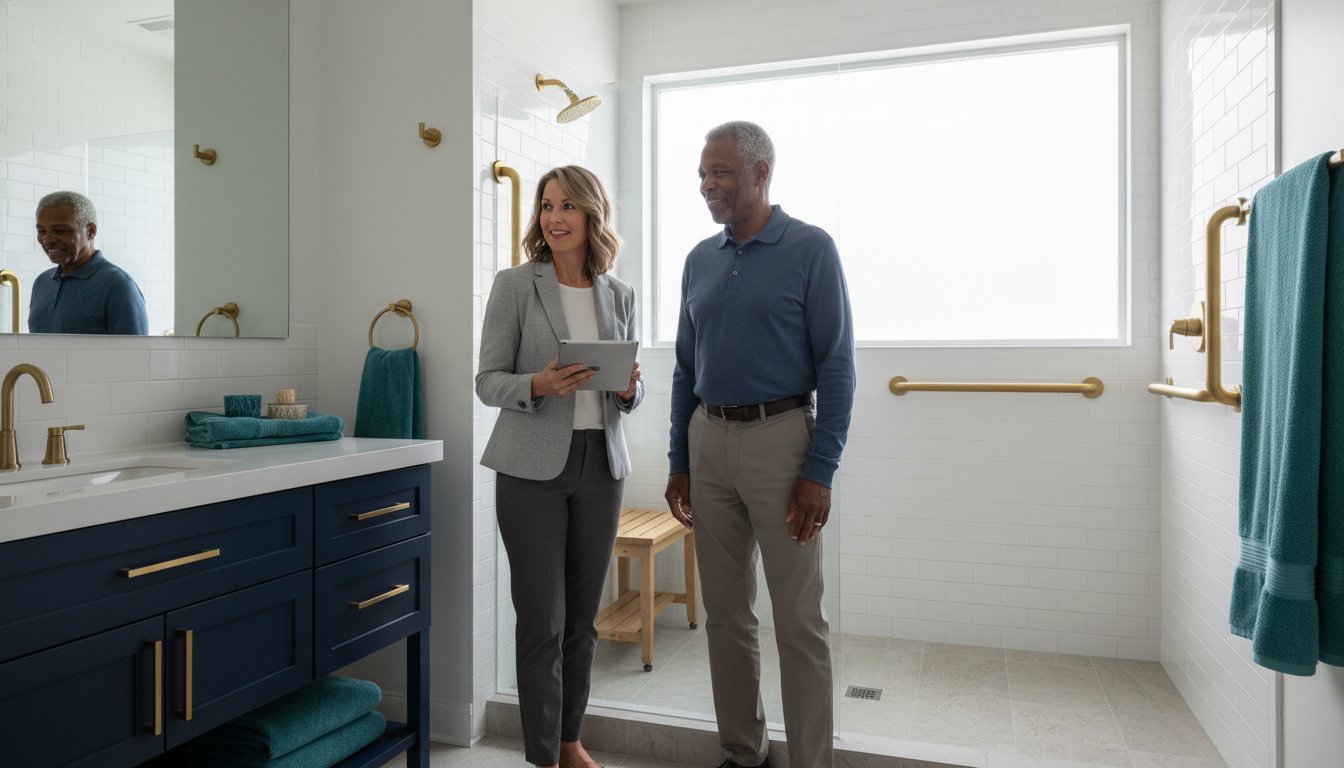
The difference between a standard technical repair and a professional strategic plan lies in the level of detail. A municipal technician might install a basic grab bar, but a CAPS-certified professional evaluates the lighting levels, floor transitions, and smart home integration needed for seamless daily living. This specialized approach focuses on longevity. It ensures that every modification is beautiful and integrated into your home's aesthetic, avoiding the cold, institutional feel of traditional medical equipment. Transitioning to a proactive strategy gives you the confidence to live the life you want without the fear of a sudden, preventable crisis.
Why a Professional Home Safety Assessment Matters
A comprehensive assessment identifies hidden risks that generic programs often overlook. These might include subtle trip hazards at doorway thresholds or reaching heights in the kitchen that increase fall risks. Our Aging in Place Services in Raleigh prioritize a beautiful, not institutional philosophy, ensuring safety features look like high-quality craftsmanship rather than hospital additions. By identifying these small details, we help you future-proof your space, protecting the emotional integrity of your home while maximizing your physical safety.
Creating a Long-Term Roadmap for Your Family
Independence is a collaborative effort. Whole-Family Training bridges the communication gap between seniors and their adult children, teaching everyone how to use new home technologies and safety features effectively. This educational focus distinguishes a strategic plan from a one-time contractor visit. We coordinate every aspect of your home modifications, ensuring all work meets rigorous safety standards and aligns with your long-term goals. To start building your personalized roadmap, Schedule a Comprehensive Home Safety Assessment with Aging in Place North Carolina today. Take the first step toward a future where you remain the master of your own home, supported by a plan that values your dignity above all else.
Take the Lead on Your Independent Future
Accessing free services for senior citizens is a powerful first step toward stabilizing your finances and protecting your legal rights in the Triangle. By utilizing the property tax relief and community programs available in 2026, you create the breathing room necessary to focus on a holistic, long-term plan. These resources aren't just about saving money; they're about giving you the freedom to stay in your home with absolute peace of mind.
Since 2021, Chris and Amy Gaddy have served as trusted advisors for families in Raleigh and Cary. As CAPS-certified specialists, they ensure that every home modification is beautiful, not institutional, preserving the aesthetic joy of your personal space. It's time to transition from reactive aid to a future-proof strategy that supports your whole-family safety. Secure your future with a Professional Home Safety Assessment in Raleigh to begin your journey toward lasting independence. You deserve to live the life you want in the place you belong.
Frequently Asked Questions
What is the most common free service for seniors in Raleigh?
The most common free service for seniors in Raleigh is the nutrition program coordinated by Resources for Seniors. This agency manages congregate meal sites and home delivery services for thousands of residents across Wake County. These free services for senior citizens act as a foundation for community health. They ensure that no senior has to choose between food and other essential costs like home maintenance or utilities.
How do I qualify for the Wake County Meals on Wheels program?
To qualify for the Wake County Meals on Wheels program, you must be 60 years of age or older and primarily homebound. Applicants must be unable to prepare nutritious meals for themselves due to physical or mental limitations. A social worker typically conducts an assessment to confirm eligibility. This program provides daily interaction that serves as a vital safety check for those living independently.
Is there free legal help for seniors in North Carolina regarding property deeds?
Legal Aid of North Carolina provides free civil legal assistance regarding property deeds through their Senior Law Project. This resource is available to North Carolinians aged 60 and older with a focus on those with the greatest economic need. They help clarify complex titles and prevent displacement due to legal errors. Protecting your deed is a critical step in preserving the aesthetic and emotional integrity of your personal space.
Can I get free home modifications like grab bars in Durham County?
Residents in Durham County can access free minor home modifications through the Urgent Repair Program (URP26) and local non profit partnerships. These programs prioritize safety fixes like grab bars and smoke detectors for low income homeowners aged 62 and older. While these grants cover basic technical necessities, they often lack the aesthetic focus of a private assessment. They are best used as a starting point for a broader safety strategy.
Are there free transportation services for seniors who can no longer drive in Cary?
GoCary offers a Door to Door paratransit service for Cary residents who are 65 years of age or older. This service provides a safe, reliable alternative to driving, allowing you to reach medical appointments and grocery stores with ease. You must complete an application and be certified for eligibility before booking trips. This program ensures that mobility challenges don't lead to social isolation or a loss of independence.
Does Medicare pay for home safety assessments in North Carolina?
Medicare does not currently pay for comprehensive home safety assessments or modifications in North Carolina. While it covers some medical equipment like walkers, the structural changes needed to future proof a home remain the owner's responsibility. Investing in a professional assessment is a private strategy that protects your quality of life. It identifies small details that prevent the need for expensive, institutionalized care later.
What happens if a senior in Raleigh is over the income limit for free services?
If you exceed the income limit for free services for senior citizens , you can still access sliding scale programs through the Triangle J Council of Governments. Many non profits offer specialized help based on age rather than wealth. This is the ideal time to transition toward a proactive strategic plan. Using private funds for modifications ensures your home remains beautiful and functional without the restrictions often found in government funded projects.
Where can I find free caregiver training in the Research Triangle?
You can find free caregiver training and support through the Duke Family Support Program and the Triangle J Council of Governments. These organizations offer workshops that focus on whole family safety and emotional resilience. They provide the tools needed to support a loved one's desire to stay at home. These sessions are essential for adult children who want to act as advocates for their parents' dignity and long term health.