Aging in Place Services in Raleigh: A Guide to Safe & Independent Living
According to the AARP, 77% of adults over the age of 50 want to remain in their current homes for as long as possible. And yet, for many families in Raleigh, the house that once felt like a sanctuary can quietly start to feel like a source of worry. You might find yourself pausing at the bottom of the stairs, or feeling a knot of anxiety every time a loved one steps into a slick bathtub. Nobody should have to leave the neighborhood they love because their home hasn't kept up with their changing needs.
This guide walks through how specialized aging in place services can help transform your home into a place that grows with you — safer, smarter, and still entirely yours. You'll learn how a professional safety assessment creates a clear plan for modifications that enhance your home rather than medicalize it, and how Triangle families are using thoughtful design to eliminate fall risks and restore everyday confidence.
Key Takeaways
-
Aging in place services focus on environmental safety and strategic home modifications — not medical care — to help you stay independent at home.
-
A professional home safety assessment identifies hidden hazards and gives you a prioritized roadmap for what to address first.
-
The best modifications blend seamlessly into your home's existing style — they should feel like upgrades, not hospital equipment.
-
Working with a CAPS-certified specialist means every change is based on real expertise, not guesswork.
-
A whole-family approach — involving caregivers and adult children — makes transitions smoother and safer for everyone.
What are Aging in Place Services in Raleigh, NC?
In the Research Triangle, aging in place services are about one thing: helping seniors stay in their own homes safely, comfortably, and on their own terms. This isn't in-home medical care or nursing assistance. The focus is entirely on your physical environment — identifying what needs to change in your home so it supports you now and in the years ahead.
By 2030, all baby boomers will be over 65. In Raleigh and the surrounding communities, that means thousands of homeowners are looking for ways to stay in the places they love without giving up their independence. Aging in place is defined as the ability to live in one's own home and community safely, independently, and comfortably — regardless of age or ability. The goal is to identify potential hazards before a trip or fall occurs, and to make changes that feel like a natural part of your home rather than a clinical addition.
The Role of a Certified Aging-in-Place Specialist (CAPS)
A Certified Aging-in-Place Specialist (CAPS) is a professional trained specifically to address the needs of older adults at home. The CAPS designation is developed by the National Association of Home Builders (NAHB) in collaboration with AARP. These specialists bridge the gap between healthcare realities and construction solutions — translating mobility, vision, and cognitive considerations into practical, well-designed changes to your living space.
For Raleigh homeowners, working with a CAPS professional means your modifications aren't guesses. They're evidence-based recommendations from someone who understands both the physical and emotional dimensions of this process.
Why Proactive Planning Matters
Most home changes happen after a crisis — a fall, a hip fracture, a hospital stay. The CDC reports that 3 million older adults are treated in emergency departments for fall injuries every year. When changes happen reactively, they're often rushed, expensive, and purely functional in ways that can feel cold or impersonal.
Planning ahead — in communities like Wake Forest, Cary, and across Wake County — allows for a more thoughtful approach. You get to choose materials that match your home's character. You make decisions on your timeline, not under pressure. And you involve the whole family while there's still time to do it well.
The Comprehensive Home Safety Assessment: Your Roadmap to Independence
A professional home safety assessment is the starting point for any meaningful aging in place plan. It's far more than a quick walkthrough — it's a room-by-room evaluation designed to surface risks you might not notice until it's too late. Specialists analyze hundreds of distinct safety factors, looking at both current mobility needs and what the home will need to accommodate down the road.
In many Triangle-area homes, hazards hide in plain sight. Nearly 60% of falls are linked to environmental factors — high thresholds in older Raleigh bungalows, dim lighting in long suburban hallways, uneven flooring transitions. According to the National Institute on Aging, planning for growing older at home means catching these risks early, before they lead to injury.
After the evaluation, you receive a prioritized report that ranks modifications by urgency — a clear, actionable roadmap for making your home safer without having to figure it out alone.
Evaluating the Big Three: Bathroom, Kitchen, and Entryways
The bathroom is typically the highest-risk area, but effective safety planning goes well beyond adding a grab bar. A good assessment checks turning radius for walkers and wheelchairs, tests floor friction on wet tile, and evaluates the shower and tub access. In the kitchen, the focus shifts to reach zones — making sure heavy or frequently used items are at safe heights so step stools become unnecessary. Entryways in North Carolina often have steep porch steps or uneven brickwork, both of which get flagged and addressed with transitions that are functional without looking out of place.
Smart Home Integration for Senior Safety
Technology has become a meaningful part of staying safe at home. Motion-activated lighting along nighttime pathways, fall detection sensors, video doorbells, and automated door locks are all tools Raleigh families are using to maintain independence without leaning on others for every small thing. The key is thoughtful placement — tools that support your routine rather than adding complexity to it.
If you're ready to take the first step, you can schedule a consultation with the Aging in Place North Carolina team today.
Designing for Comfort and Dignity
The concern we hear most often isn't about cost or construction — it's about a home losing its personality. Nobody wants to walk into their living room and feel like they're in a medical facility. That fear is real, and it's one of the main reasons families delay making changes that could actually protect them.
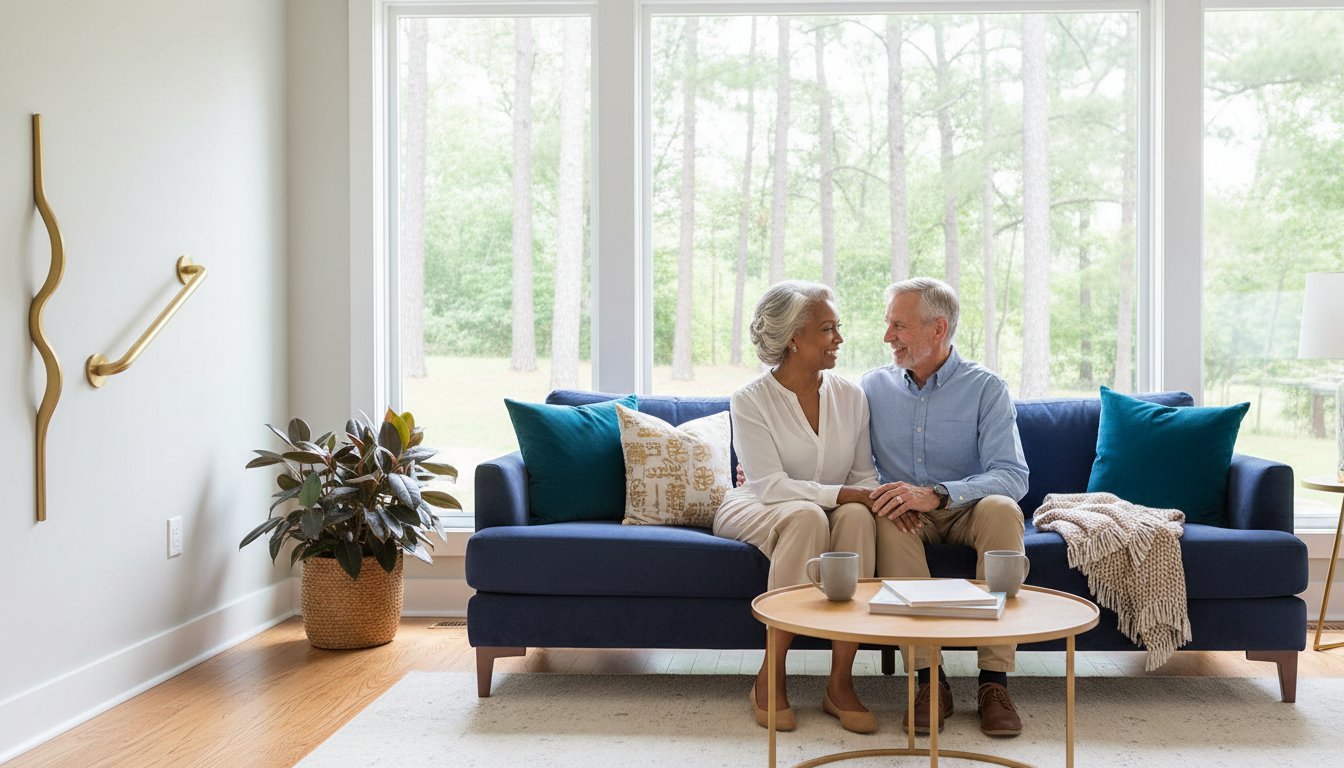
The good news is that accessibility design has come a long way. Modern modifications don't have to look institutional at all. Instead of a standard silver grab bar, you might install a matte black rail that doubles as a towel holder, or a decorative handrail that complements your existing woodwork. Curbless showers and comfort-height vanities — both highly practical — also happen to top interior design wish lists right now. The 2023 Houzz Home Trends Report found that 44% of homeowners renovating bathrooms are prioritizing these universal features specifically because they add a spa-like feel.
Matching Safety to Your Style
Whether you're in a historic Craftsman in Five Points or a newer build in North Hills, modifications should reflect the home you've built. Finishes like brushed gold, oil-rubbed bronze, or polished nickel can integrate seamlessly with what's already there. Safety stops feeling like a medical necessity and starts feeling like an upgrade.
Customizing for How You Actually Live
The best modifications are tailored to your life — glare-free task lighting in a craft room, raised garden beds for safer outdoor time, slip-resistant flooring that works equally well for grandkids and grandparents. Your home should support the things you love doing, not just minimize risk.
Research from AARP confirms that 77% of adults 50 and older want to remain in their homes long-term. Maintaining a space that genuinely feels like home — not a ward — is essential for mental well-being, not just physical safety. That sense of independence matters whether you're hosting Sunday dinner or thinking about future travel; for those planning trips to Italy, for example, services like NCC Bardi offer professional chauffeur support that can make getting around easier for those with mobility considerations. A well-prepared home gives you the confidence to stay engaged with life, both inside and outside your front door.
Project Management: Navigating the Triangle Contractor Landscape
Coordinating a home modification project can feel like a part-time job — multiple contractors, permits, scheduling conflicts, and no guarantee that anyone understands the specific requirements of accessibility work. Aging in Place North Carolina takes that burden off your plate entirely.
The team connects you with vetted professionals who understand that your home is not a job site — it's someone's sanctuary. From the initial consultation through the final walkthrough, they serve as your single point of contact, handling the details that typically fall through the cracks.
Coordinating the Right Contractors
General contractors are often focused on speed and standard code compliance. They may not think about the 1-inch threshold that creates a trip hazard, or the wall blocking required to properly anchor a grab bar. In communities like Cary and Apex, Aging in Place North Carolina manages the full project lifecycle:
- Verifying contractor licenses and insurance for Wake County work
- Securing permits and coordinating local inspections
- Ensuring modifications meet CAPS and ADA standards
- Conducting quality control checks throughout the project
Ongoing Maintenance for Long-Term Safety
Small things become big risks over time — a loose railing, a dim bulb that never got replaced, a frayed rug in a high-traffic area. The Fix-It Technician program provides routine maintenance visits for residents in Holly Springs, Fuquay-Varina, and surrounding communities, with a focus on the details that standard handyman services tend to overlook.
For adult children living out of state, this is one of the most valuable services available. A trusted professional checks in regularly, documents what was done, and flags anything that needs attention — so you're not waiting for a phone call about a problem that already happened.
Ready to get started? Schedule a professional safety consultation and take the first step toward a home that works for your whole family.
Securing Peace of Mind with Aging in Place North Carolina
Aging in Place North Carolina was founded by Del Scheitler , and his path to this work is about as personal as it gets.
Del brings over 15 years of experience in marketing, home services, and construction — including work with well-known North Carolina brands and his role as President and co-owner of Investment Heroes Roofing. But the business wasn't built on professional experience alone.
Growing up as the youngest of three, with two older brothers with developmental disabilities, Del understands caregiving from childhood. His mother, who immigrated from Thailand, built a life for their family here in America — and shaped in Del a deep sense of what it means to care for the people you love.
After losing his father, Del's mother moved to North Carolina to be closer to family. What followed were years of real, difficult challenges: a stroke, heart failure, a pandemic recovery, and a serious fall resulting in a broken hip. Del was navigating those realities while also running a business and raising his son Theo with his wife Kim. He knows firsthand what it's like to balance career demands, caregiving, and the emotional weight of keeping a loved one safe at home.
That experience revealed a gap. Too many families are trying to figure out home safety and aging in place solutions on their own, without clear guidance or professionals they can trust. Aging in Place North Carolina exists to change that.
Del is joined by Jessica Cunningham (Business Development Director), a CAPS-certified professional with a JD and background in estate planning, financial services, and long-term care — and Mary Pruter (Marketing Director), also CAPS-certified, who spent years as her own mother's primary caregiver before bringing that experience into this work professionally.
Whole-Family Support
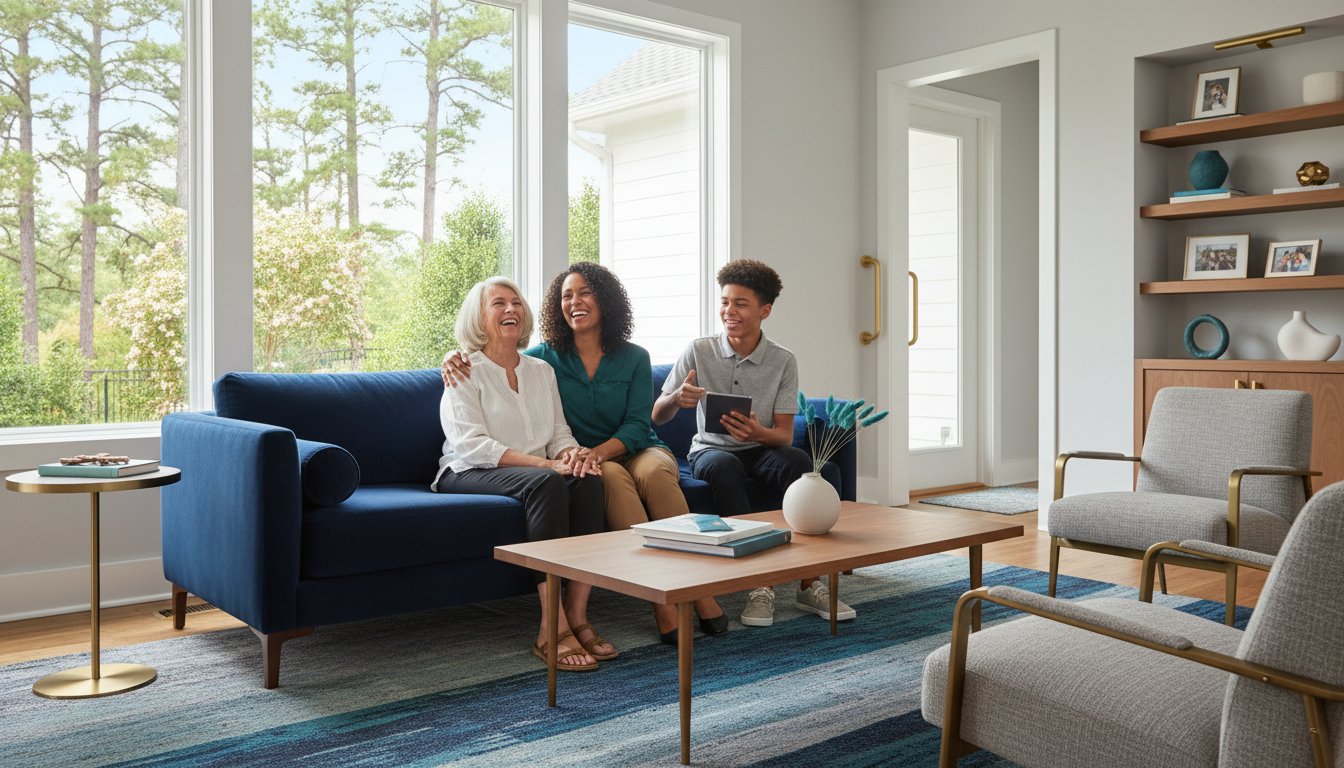
Safety isn't just about hardware — it's about making sure everyone in a family feels prepared and capable. The team offers whole-family guidance that helps adult children and caregivers understand how to use new modifications safely, develop better daily habits, and navigate the emotional side of these transitions. Data from the Family Caregiver Alliance shows that 40–70% of caregivers experience significant symptoms of depression. Having expert support — and a home environment that actually works — makes an enormous difference.
Your Next Step Toward a Future-Proof Home
You don't have to wait for a fall or a crisis to act. Whether you're in Raleigh, Wake Forest, Cary, or anywhere across the Triangle, the path forward is clear: start with a conversation.
Del and his team are ready to walk alongside your family — with real expertise, genuine empathy, and a deep respect for the home you've built.
Frequently Asked Questions
What exactly are aging in place services, and how do they differ from home health care?
Aging in place services focus on modifying your physical environment for long-term safety and independence. Home health care, by contrast, provides medical or personal assistance from licensed professionals. Where a nurse manages your health, aging in place services manage the safety and functionality of your home — installing things like curbless showers, better lighting, or wider doorways so your Raleigh residence evolves as your needs change.
Do I need a home safety assessment if I don’t have mobility issues yet?
Yes — and that's actually the best time to do it. The CDC reports that one in four Americans aged 65 and older falls each year, and the risk factors often exist well before mobility becomes a visible issue. Identifying hazards like poor lighting or slippery surfaces now means you stay in control of your environment rather than reacting to a crisis.
How much do aging in place modifications typically cost in the Raleigh area?
Costs vary widely based on scope. Simple additions like grab bars can run a few hundred dollars, while bathroom remodels are more significant investments. According to HomeAdvisor's 2023 data, a walk-in tub installation averages between $5,000 and $15,000. A professional evaluation helps you prioritize projects that give you the best return on safety — so your budget goes toward what actually matters.
Can aging in place modifications actually increase my home’s resale value?
They can. Features like wider doorways, reinforced walls, and main-floor master suites are increasingly attractive to buyers of all ages, particularly as Wake County's population aged 65 and older is projected to double by 2040. When modifications are done well and blend with the home's existing aesthetic, they add real value without making the property feel clinical.
What is a CAPS professional, and why does it matter?
CAPS stands for Certified Aging-in-Place Specialist — a credential from the National Association of Home Builders that indicates specific training in addressing seniors' unique home needs. Hiring a CAPS professional means your modifications are grounded in real expertise, not guesswork. It prevents costly errors and ensures every change supports your long-term independence.
How long does a home safety evaluation take?
A comprehensive evaluation typically takes 90 minutes to two hours, depending on your home's size. You don't need to prepare much — just make sure all rooms are accessible, including the garage and entryways. It helps to think ahead of time about your daily routines and any areas where you already feel less confident. The team walks through the home with you and talks through what they're seeing as they go.
Does Aging in Place North Carolina provide medical equipment?
No — the focus is on permanent home modifications and safety assessments, not temporary medical equipment. That means things like custom ramps, slip-resistant flooring, and structural modifications designed to last. The team can also coordinate with your healthcare providers or other support services — including resources like Accessible Care — to make sure modifications align with your specific medical and daily living needs.
Are these services available for seniors living in apartments or condos?
Yes. The team serves residents in apartments, condos, and townhomes across Raleigh, Durham, and surrounding areas. Some structural changes may require HOA or landlord approval, but many effective modifications — smart lighting, safety hardware, non-invasive tech — don't. Every home, regardless of size or type, can be made meaningfully safer.