Aging in Place Remodeling in Raleigh, NC: The 2026 Guide to Safe & Beautiful Homes
Your home is your sanctuary, not a medical facility, and it shouldn't have to look like one just because your needs are changing. Many Raleigh homeowners fear that aging in place remodeling means installing cold, institutional fixtures that strip away the personality of their living space. We believe that no one should have to choose between their safety and their style. It's completely natural to feel overwhelmed by technical building codes or worry that modifications might decrease your home's value.
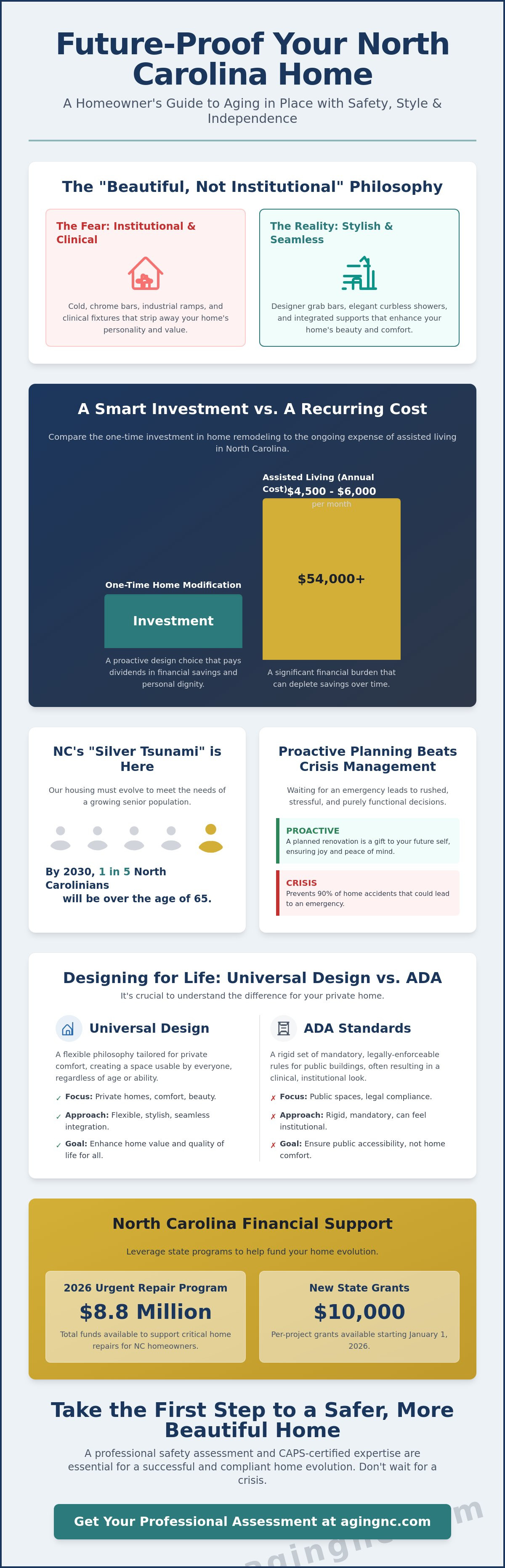
This guide will show you exactly how to transform your North Carolina home into a beautiful, future-proofed sanctuary that supports your independence for decades. You'll discover how to comply with the 2018 building codes and leverage the $8.8 million available through the 2026 Urgent Repair Program. We'll also preview the latest CAPS-certified design trends and the $10,000 state grants that became available on January 1, 2026, providing a clear path to a home that's safe for the whole family and beautifully designed for life.
Key Takeaways
- Learn how the "beautiful, not institutional" design philosophy preserves your home’s aesthetic character while providing the safety you need for the future.
- Discover how strategic aging in place remodeling targets high-risk areas like bathrooms and entryways to prevent accidents before they happen.
- Understand why a professional safety assessment and CAPS-certified expertise are the essential first steps for a successful and compliant home evolution.
- Explore how Universal Design features create a seamless living environment that supports mobility and dignity for every member of the household.
Understanding Aging in Place Remodeling for North Carolina Homeowners
Choosing to stay in your home as you age is a declaration of independence. For North Carolina homeowners, Understanding Aging in Place is about more than just safety; it's about a strategic home evolution. This process, known as aging in place remodeling , allows you to adapt your living space to your changing needs while preserving the aesthetic and emotional integrity of your sanctuary. In the Research Triangle, this isn't just a trend. It's a lifestyle choice supported by world-class healthcare and a community that values longevity and domestic stability.
The financial math is clear. Assisted living costs in North Carolina can be a heavy burden, with average monthly rates often exceeding $4,500 to $6,000 depending on the facility. By contrast, a one-time investment in a future-proofed home is a proactive design choice that pays dividends in both financial savings and personal dignity. You aren't just fixing a house; you're securing your future in the place where your memories live. Our approach ensures these modifications feel seamless and sophisticated, enhancing your home's value rather than making it feel like a clinical environment.
The "Silver Tsunami" in Raleigh and Beyond
Wake and Guilford counties are experiencing a significant shift as the "Silver Tsunami" brings a growing population of active seniors to our region. By 2030, one in five North Carolinians will be over the age of 65. This demographic shift means our local housing stock must evolve to meet new demands. Raleigh’s diverse architecture, from 1970s ranch homes to modern multi-story builds, presents unique challenges for aging in place remodeling . While a ranch might only need wider doorways and a curbless shower, a multi-story home often requires a holistic approach, such as installing a stylish stair lift or converting a main-floor den into a primary suite. The goal is always the same: maintaining a high quality of life in a familiar, comfortable environment.
Why Proactive Planning Beats Crisis Management
Proactive remodeling acts as a tool to prevent 90% of home-based accidents. Waiting for a fall or a medical emergency to dictate your home's layout leads to "crisis remodeling," which is often rushed, stressful, and purely functional. When you plan ahead, you have the luxury of time to choose high-quality materials and "beautiful, not institutional" designs that enhance your home's value. You can explore comprehensive Aging in Place Services in Raleigh to start this journey with confidence rather than fear. A planned renovation feels like a gift to your future self, ensuring your home remains a place of joy and peace of mind for the whole family.
The "Beautiful, Not Institutional" Philosophy: Why Design Matters
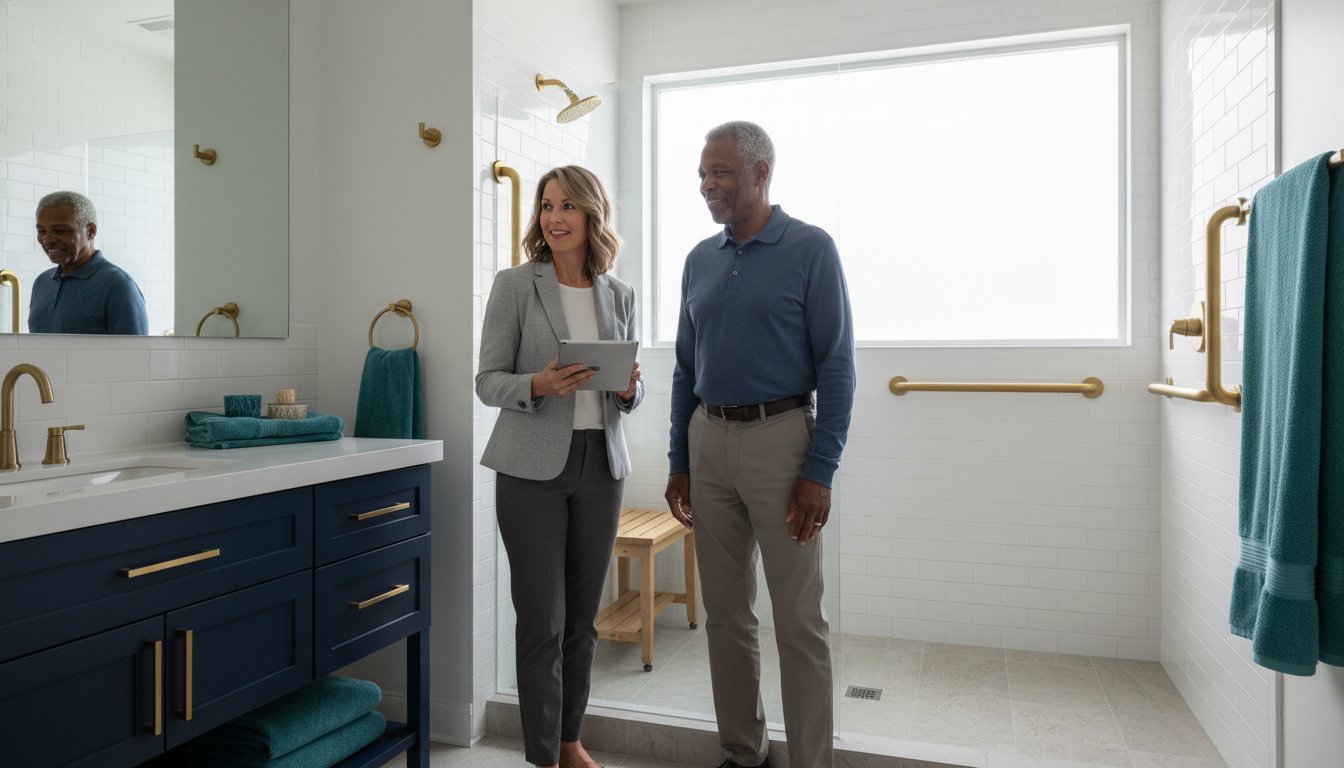
The biggest hurdle many Raleigh homeowners face isn't the construction itself; it's the fear of their home looking like a clinic. You've spent years curating a space that reflects your personality. The thought of adding cold, chrome bars or industrial ramps can feel like a surrender of your style. We believe that aging in place remodeling should enhance your home's beauty while quietly providing the support you need. It's about dignity. By choosing finishes that match your existing hardware, we ensure that safety features remain virtually invisible to the untrained eye.
This approach relies on the principles of Universal Design. Unlike public accessibility standards, Universal Design focuses on creating a space that's comfortable for everyone, regardless of age or ability. Integrating home safety and modifications into your floor plan doesn't mean compromising on luxury. For example, designer grab bars that double as elegant towel racks or soap dishes provide essential stability without screaming "medical equipment." These high-end materials, which typically range from $150 to $400 each, turn a safety necessity into a sophisticated accent. Living in a space that feels empowering rather than restrictive has a profound psychological impact, fostering confidence and joy every day.
Universal Design vs. ADA Standards
It's vital to distinguish between ADA (Americans with Disabilities Act) standards and Universal Design. ADA is a set of rigid, mandatory rules for public buildings, often resulting in an institutional look. In contrast, Universal Design is a flexible philosophy tailored for private comfort. Features like curbless showers and wider doorways are currently major trends in the Raleigh real estate market. These modifications don't just help you stay in your home; they often increase its resale value by appealing to a wider range of buyers who appreciate "zero-entry" convenience and open, airy layouts.
Integrating Technology Seamlessly
Modern technology is the "invisible" partner in the "Beautiful, Not Institutional" goal. Voice-activated lighting and automated thermostats provide safety and convenience without requiring any physical changes to your walls. Smart locks and video doorbells are particularly valuable, offering peace of mind for the adult child who may be helping coordinate care from a distance. These tools allow you to maintain control over your environment with simple voice commands or a smartphone app. If you're unsure which tech fits your lifestyle, a professional accessibility assessment can reveal how to blend these features into your current decor seamlessly.
Essential Modifications: A Room-by-Room Reference Guide
Transforming your home for the future doesn't require a total overhaul in a single weekend. A strategic approach to aging in place remodeling prioritizes the areas where safety risks are highest and daily independence is most impacted. By focusing on specific high-traffic zones, you can create a sanctuary that feels both intuitive and elegant. For a deeper look at specific products and local vendor recommendations, you can consult our home modifications for seniors guide, which breaks down the technical details of these upgrades.
Safety starts from the ground up. Throughout the home, we look for floor transitions that create trip hazards. Replacing thick carpet with luxury vinyl plank or slip-resistant tile ensures a seamless path from room to room. Proper lighting is equally vital. We recommend installing motion-activated LED strips in hallways and ensuring all entryways have at least 50 foot-candles of light to improve visibility during North Carolina's rainy seasons or early winter sunsets.
The Safe and Stylish Bathroom
The bathroom is often the first room addressed in aging in place remodeling because it presents the highest risk for falls. In 2026, the gold standard for a modern Raleigh home is the curbless, zero-entry shower. These showers eliminate the need to step over a high tub wall, making them accessible for everyone while providing a high-end, spa-like aesthetic. While a full bathroom remodel can range from $6,600 to $28,000 depending on the scope, smaller changes like comfort-height toilets and lever-style faucets offer immediate relief. Slip-resistant flooring that mimics the look of natural hardwood or marble provides the grip you need without sacrificing the luxury you want.
Kitchen Accessibility and Entryway Ease
Kitchen modifications focus on reducing the strain of reaching and bending. Pull-down shelving systems and D-shaped drawer pulls allow for easy access to heavy pots and pans without requiring a tight grip. Under-cabinet task lighting is a simple but effective way to prevent accidents during meal preparation. Outside the kitchen, the "no-step entry" is a critical feature for Raleigh porches and garages. Whether it's a gently sloped walkway or a discreetly integrated ramp, ensuring you can enter your home without navigating stairs is the ultimate investment in long-term mobility. These entryways provide peace of mind for the whole family, ensuring that your home remains welcoming and accessible for years to come.
Planning Your Project: Assessments, Contractors, and NC Regulations
Success in aging in place remodeling depends on the foundation of a meticulous plan. Many homeowners start by browsing fixtures, but the real work begins with understanding local regulations. In Raleigh and Cary, structural changes like widening doorways or altering bathroom plumbing require specific permits under the 2018 North Carolina State Building Code. These rules ensure your modifications are safe and legally compliant, preserving your home's equity. General contractors often overlook the nuances of accessibility, which is why a Certified Aging-in-Place Specialist (CAPS) is your most valuable partner. They're trained by the National Association of Home Builders to see your home through the lens of long-term mobility and safety.
Working with a specialist prevents the common mistake of installing "one-size-fits-all" solutions that don't actually meet your specific needs. A CAPS professional understands how to blend medical necessity with high-end design, ensuring your home remains a sanctuary rather than a facility. They also stay updated on the latest local delays; for instance, the implementation of the 2024 building code has been pushed back to March 1, 2027. This level of local expertise keeps your project on track and within the current legal framework of the Research Triangle.
The Role of a Professional Safety Assessment
A professional assessment is the mandatory first step that identifies "hidden" hazards you might miss during a casual walkthrough. It goes beyond obvious repairs to evaluate improper lighting levels, loose rugs, and subtle floor transitions that could lead to a fall. Professional project management also saves you money by avoiding redundant work or expensive corrections later. For a comprehensive look at how these assessments work in our area, see our home modifications for elderly 2026 guide. By catching these details early, you ensure your investment creates a truly future-proofed environment.
Vetting Contractors in the Research Triangle
Choosing the right team in the Research Triangle requires more than just checking a license. You need a partner who understands both the technical construction requirements and the emotional needs of your family. When interviewing local aging in place contractors, use this checklist:
- Do they hold a current CAPS credential from the NAHB?
- Can they provide at least three local NC references from the past 12 months?
- Are they familiar with the specific permitting processes in Wake or Guilford County?
- Do they offer a liaison to explain technical construction terms in plain English?
A dedicated liaison acts as a bridge between the homeowner and the construction crew, ensuring your "beautiful, not institutional" vision is executed perfectly. They notice the small details that others might miss, such as the exact height of a light switch or the slip-resistance rating of a specific tile. If you're ready to move from the planning phase to action, we recommend starting with a professional home safety assessment to map out your journey with confidence.
Taking the Next Step: Professional Support in North Carolina
The journey to a future-proofed home is a transformative process that begins with a single realization: you shouldn't have to leave the place where you've built your life. Aging in place remodeling is the bridge between the home you have now and the sanctuary you'll need for the decades ahead. It’s a transition that prioritizes your dignity, ensuring that every modification feels like a natural extension of your personal style. By moving through the phases of assessment, design, and construction with a specialized partner, you replace the fear of the unknown with the confidence of a well-executed plan.
We encourage a "whole-family" conversation as you begin this process. When parents and adult children sit down together to discuss home safety, it removes the stigma of "getting older" and reframes the project as a proactive investment in family stability. This shared understanding ensures everyone is on the same page regarding safety goals and aesthetic preferences. It turns a technical construction project into a collective effort to preserve peace of mind for everyone involved. It's about creating a living space that supports your independence while giving your loved ones the reassurance they need.
Why Aging in Place North Carolina?
Our unique approach is led by Chris and Amy Gaddy, whose CAPS-certified expertise ensures that every detail of your project is handled with meticulous care. We understand that you aren't just looking for a contractor; you're looking for a trusted advisor who respects your space. Our "beautiful, not institutional" promise is the heartbeat of our business. We manage every aspect of the project, from navigating Raleigh's permitting requirements to coordinating specialized technicians, taking the weight off your shoulders. This holistic management style allows you to focus on your life while we handle the technical complexities of creating a seamless, safe environment.
Schedule Your Raleigh Home Safety Assessment
The most effective way to start is with a professional evaluation of your current living space. Our comprehensive home safety assessments identify immediate risks and long-term opportunities for improvement, providing you with a clear roadmap for your aging in place remodeling project. We proudly serve homeowners across Raleigh, Wake Forest, Cary, and the surrounding Research Triangle communities. Don't wait for a change in your health to dictate the layout of your home. Take a proactive step today to ensure your home remains the place of joy and comfort it has always been. Live the life you want in the home you love.
Secure Your Future in the Home You Love
Your home is the backdrop of your life's best moments. By choosing proactive aging in place remodeling , you're making a commitment to your independence and your family's peace of mind. We've explored how Universal Design keeps your space stylish, how prioritizing high-risk rooms like the bathroom reduces injury risks, and why navigating the 2018 North Carolina Building Code requires a specialist's touch. You've also seen how leveraging 2026 state funding programs can make these essential upgrades more accessible than ever.
Aging in Place North Carolina has been a family-owned partner for homeowners in Raleigh, Cary, and Greensboro since 2021. Our CAPS-certified specialists specialize in "beautiful, not institutional" modifications that blend seamlessly with your existing decor. We help you transition from reacting to risks to mastering your environment with confidence. It's time to invest in a sanctuary that grows with you and your changing needs.
Take the first step toward a future-proofed sanctuary today. Schedule Your Comprehensive Home Safety Assessment with Aging in Place NC and discover how simple it is to stay in the home you love. You deserve a space that supports your journey with dignity and grace.
Frequently Asked Questions
What is the average cost of aging in place remodeling in North Carolina?
Full home projects in the Research Triangle typically range from $15,000 to over $60,000 depending on the complexity of the design. Specific room updates, such as a bathroom remodel, average between $6,600 and $28,000 according to 2026 industry data. Smaller safety additions like grab bars usually cost between $150 and $400 each, providing a cost-effective way to start your home’s evolution.
Does insurance or Medicare cover home modifications for seniors?
Traditional Medicare generally doesn't cover the cost of permanent home construction or remodeling. It typically limits coverage to "durable medical equipment" like walkers or oxygen tanks. However, North Carolina residents can access the $8.8 million available through the 2025-2026 Urgent Repair Program (URP26) for grants up to $15,000. Low-interest loans up to $40,000 are also available for rural homeowners through the USDA Section 504 program.
How long does a typical aging-in-place renovation take?
Minor safety updates like lighting improvements or handrail installations often take just one to two days. A more extensive aging in place remodeling project, such as a curbless shower conversion, typically requires two to three weeks of active construction. We provide a detailed project timeline during the planning phase to ensure your daily routine remains as stable as possible during the transition.
Can I modify my home myself or do I need a professional?
You should hire a professional for any modifications involving structural changes, plumbing, or electrical work to ensure compliance with the 2018 North Carolina State Building Code. While DIY fans can handle simple tasks like removing throw rugs or changing light bulbs, specialized features require precise placement for safety. Professionals ensure your modifications are "beautiful, not institutional" while avoiding the technical errors that could decrease your home's value.
What are the most important modifications to start with?
Focus on the bathroom and the primary entrance of your home first, as these areas present the highest risk for accidents. Installing a zero-entry shower and a no-step entry provides the most immediate boost to daily independence. Improving task lighting in the kitchen and removing floor transitions are also high-priority tasks. These strategic moves prevent 90% of home-based falls and create a safer environment for the whole family.
Will remodeling for accessibility decrease my home’s resale value?
Strategic aging in place remodeling actually increases resale value by appealing to the growing number of buyers seeking Universal Design features. Modern Raleigh homebuyers prioritize "zero-entry" convenience and open floor plans that work for all generations. When you use high-quality materials and stylish finishes, your modifications look like luxury upgrades rather than medical necessities. It makes your property more competitive in a market that increasingly values longevity and accessibility.
What is a CAPS certification and why does it matter?
CAPS stands for Certified Aging-in-Place Specialist, a professional designation from the National Association of Home Builders. This certification means your contractor has specific training in designing and building home modifications for seniors. It matters because a CAPS professional understands the unique balance between medical safety and beautiful home design. They notice the small details, like the specific grip of a tile or the height of a light switch, that standard contractors miss.
How do I know if my parent is ready for home modifications?
Look for subtle behavioral changes like "furniture walking" or a sudden reluctance to use the stairs. If your parent has experienced a minor slip or struggles with heavy doors, it’s time for a proactive conversation. Starting the process early allows you to plan together rather than making rushed decisions after a crisis. A professional home safety assessment provides a calm, objective way to identify hazards and begin the journey toward a future-proofed home.